Autistic Educational Toys: Enhancing Learning and Development
Introduction
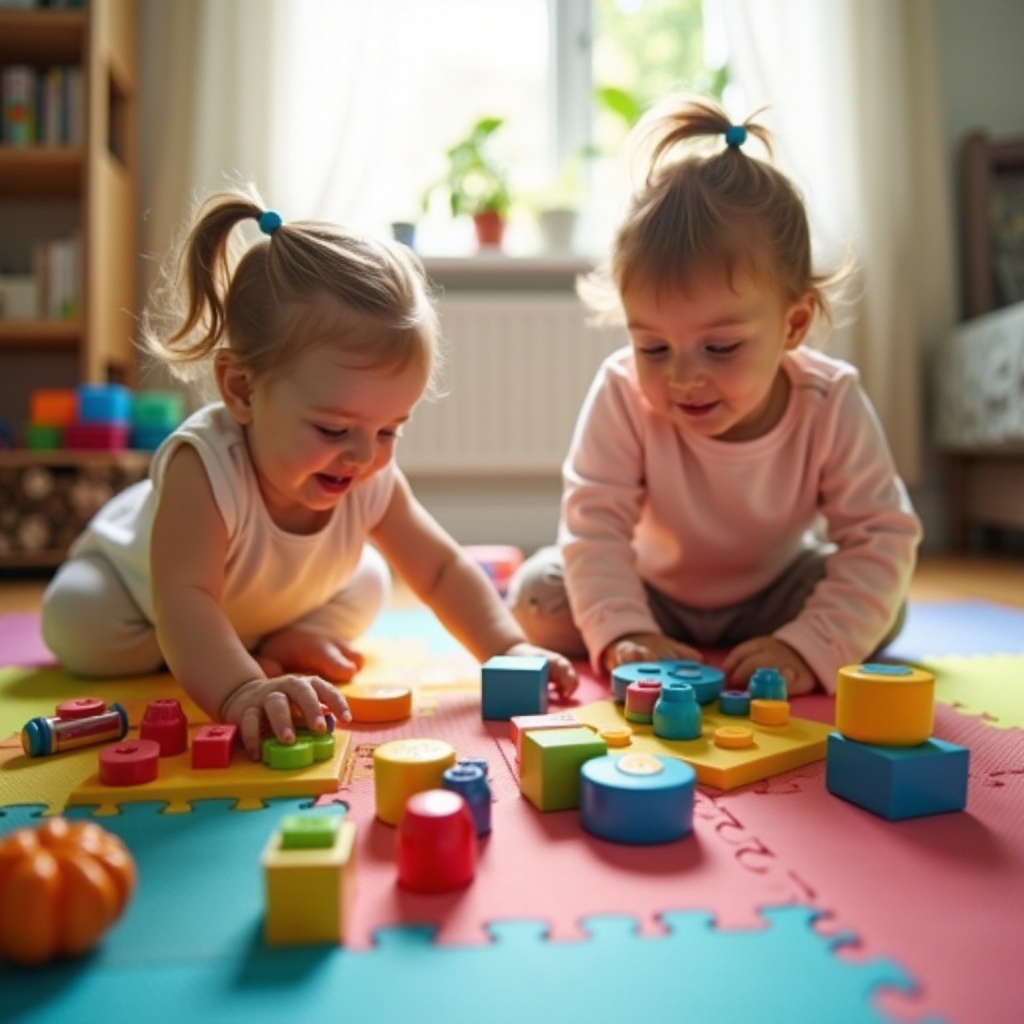
Autistic educational toys are essential tools in nurturing growth and learning for children on the autism spectrum. These toys are specially designed to cater to each child’s unique needs, providing sensory stimulation and fostering communication and skill development. Understanding their importance prepares us to delve into how these toys significantly impact children’s lives.
Autism and Educational Needs
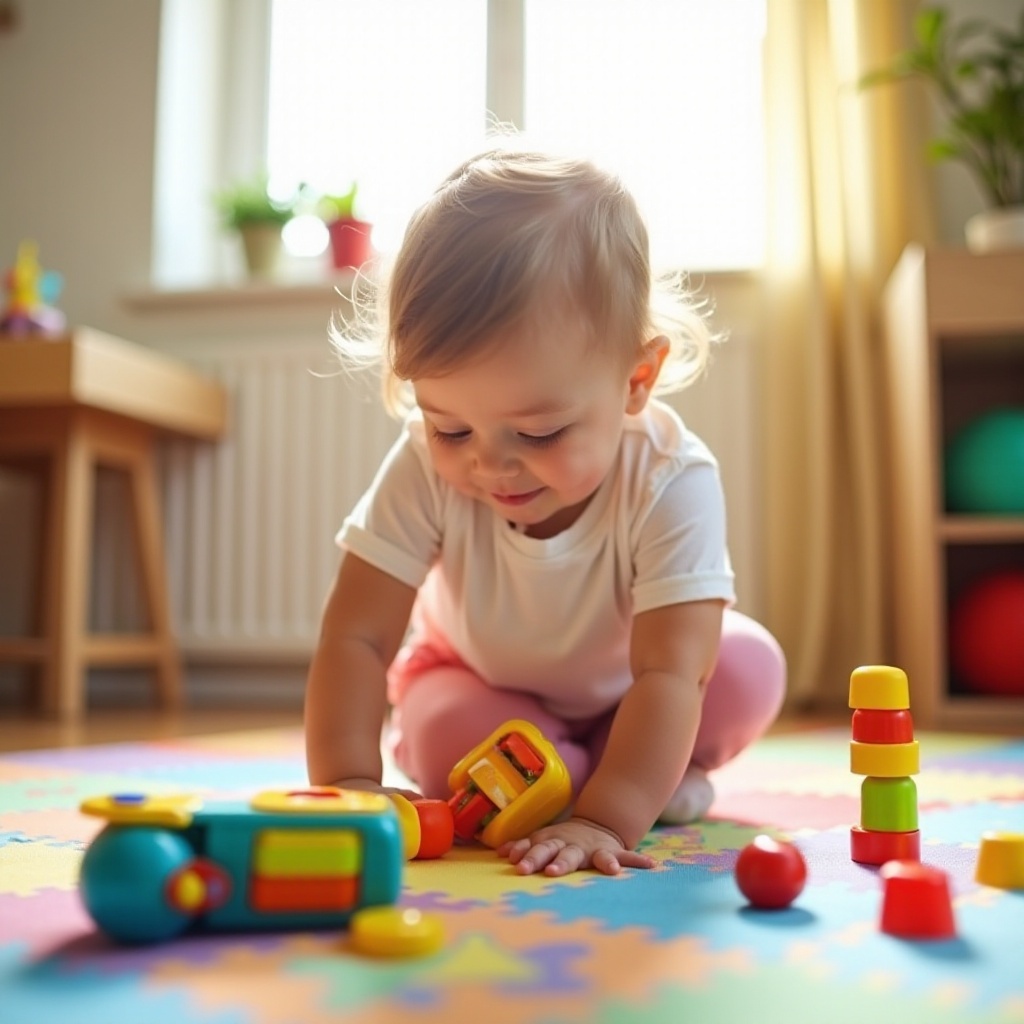
Recognizing Autism Spectrum Disorder (ASD) and its impact is crucial for understanding the role of educational toys. ASD presents challenges such as communication difficulties and repetitive behaviors. Despite these challenges, individuals with ASD possess unique strengths that contribute to diverse learning styles. Educational toys are tailored to these variabilities, offering engaging solutions that support meaningful play and learning. With this knowledge, caregivers can create environments conducive to growth and development.
Overview of Autism Spectrum Disorder
Autism Spectrum Disorder is characterized by social skills difficulties, repetitive behaviors, and speech and nonverbal communication challenges. The wide variance in strengths and challenges among individuals necessitates tailored approaches to learning and development.
Educational Toys’ Role in Autism
Educational toys significantly benefit children with autism by improving focus, encouraging social interactions, and aiding skill-building. These toys, far from mere entertainment, serve as pivotal tools for engaging autistic children in development-enhancing activities.
Popular Educational Toys for Autistic Children
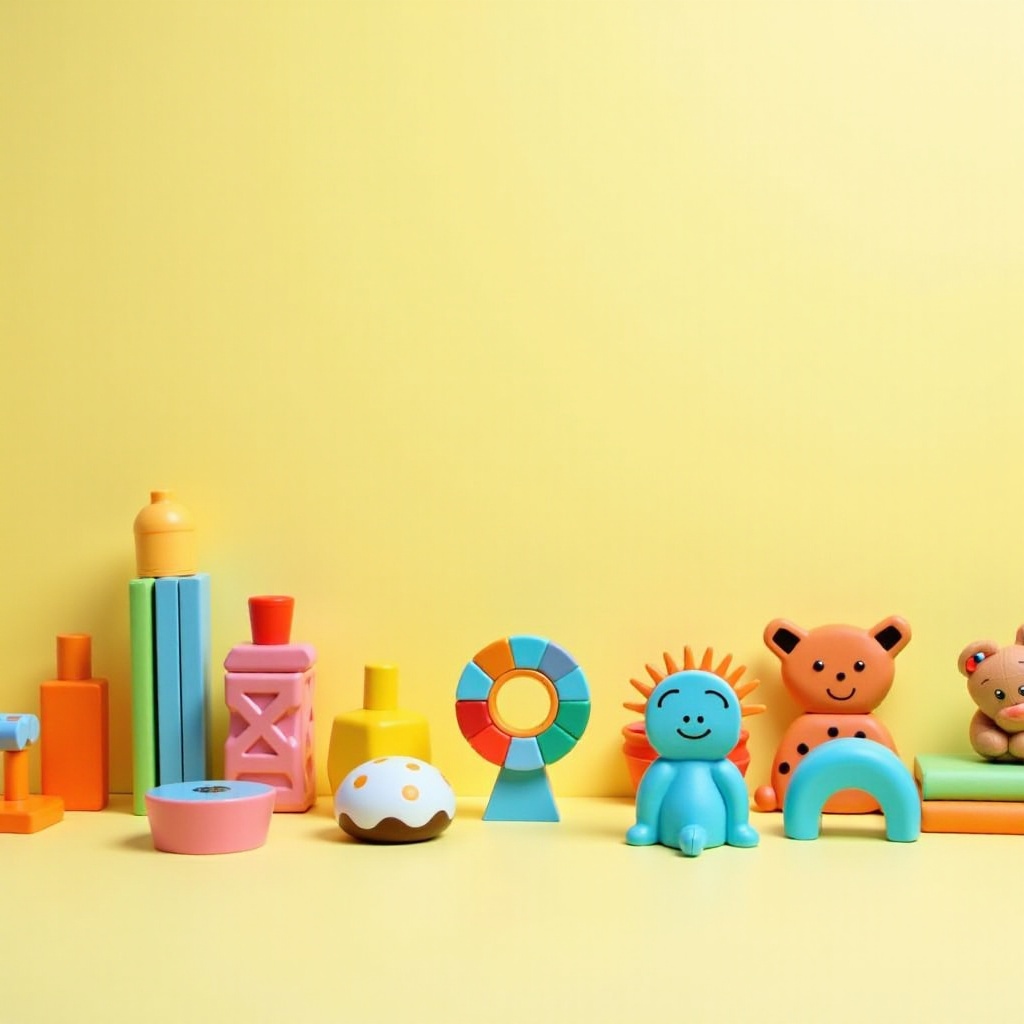
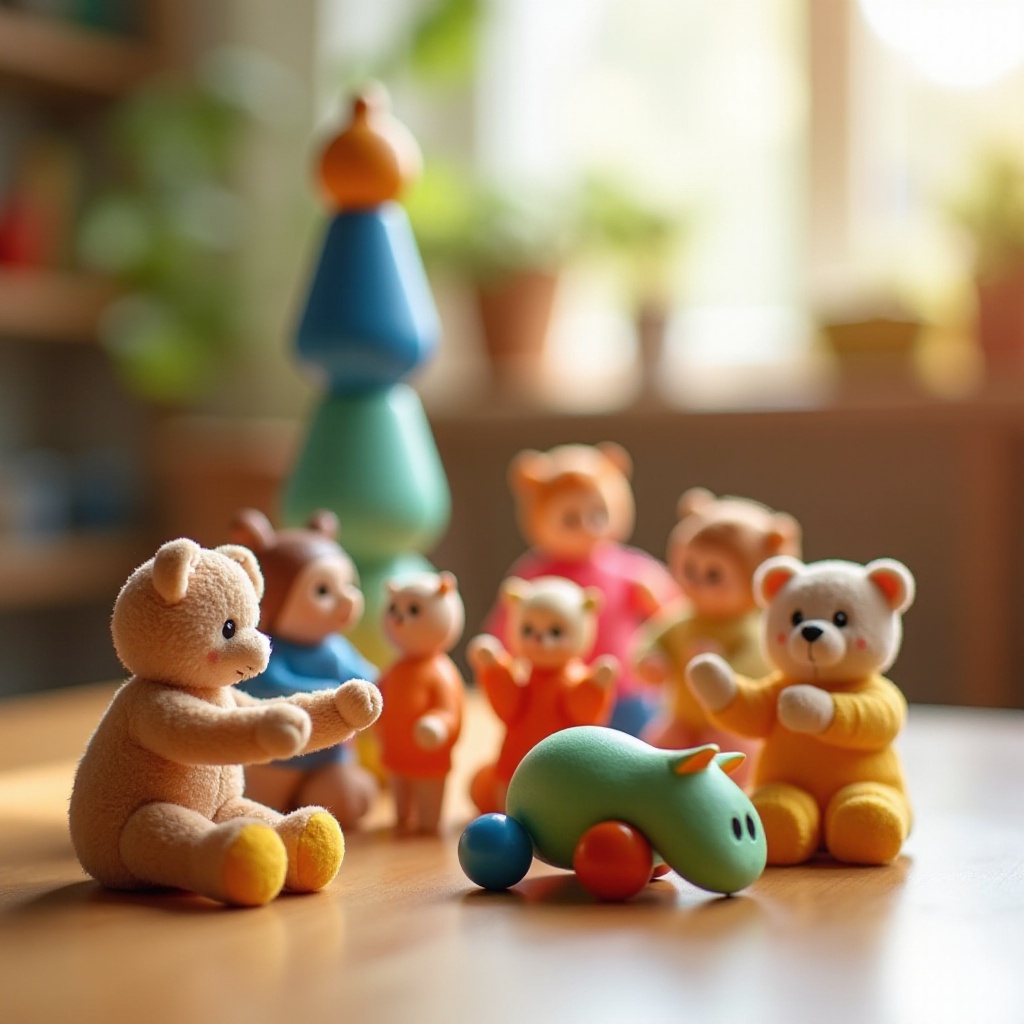
With a variety of educational toys available, understanding their types and purposes helps parents and educators choose the most beneficial options. Here we categorize toys that are especially advantageous for children with autism.
Sensory Toys
Sensory toys address sensory processing challenges seen in autism. They offer tactile, visual, and auditory engagement.
– Tactile toys, like Play-Doh and textured balls, enhance touch and sensation.
– Visual stimulation toys, such as light-up toys or colorful building blocks, stimulate visual interest.
– Auditory toys include sound-based items like musical instruments, engaging auditory senses.
Movement-Based Educational Toys
Movement-based toys provide opportunities for physical engagement, essential for maintaining health and coordination.
– Balance boards aid in developing motor skills and stability.
– Interactive dance mats encourage rhythmic movement and physical play.
– Yoga balls promote balance and posture.
Artistic and Creative Toys
Artistic toys foster creative expression, offering a channel for children to communicate and express feelings.
– Art supplies, including puzzles and drawing materials, stimulate creativity.
– Construction blocks boost problem-solving and imaginative play.
– STEM kits engage hands-on experimentation in science, technology, engineering, and math.
Benefits of Educational Toys in Autism
Educational toys offer several advantages that support various developmental areas for autistic children.
Enhanced Focus and Attention
Engage toys that require concentration can extend attention span and encourage task maintenance.
Improved Social Skills
Educational toys facilitate cooperative play, helping children develop essential teamwork and social interaction capabilities.
Motor Skills Development
Activities involving eye-hand coordination, balance, and precision promote both fine and gross motor skills.
Selecting Appropriate Educational Toys
Choosing the right toys involves considering each child’s unique needs and preferences. Parents and educators must ensure toys align with individual developmental profiles.
Age and Developmental Stage Considerations
Choosing toys based on age appropriateness reinforces specific developmental skills associated with different stages.
Individual Sensory and Learning Needs
Focus on toys tailored to a child’s sensory preferences and learning style for enhanced engagement and growth.
Tips for Integrating Educational Toys Daily
Here are some strategies to seamlessly incorporate educational toys into daily routines:
- Maintain a balanced routine with regular playtimes for consistent engagement.
- Create spaces that promote play and exploration, with a variety of toy options.
- Encourage spontaneous play, fostering creativity and decision-making skills.
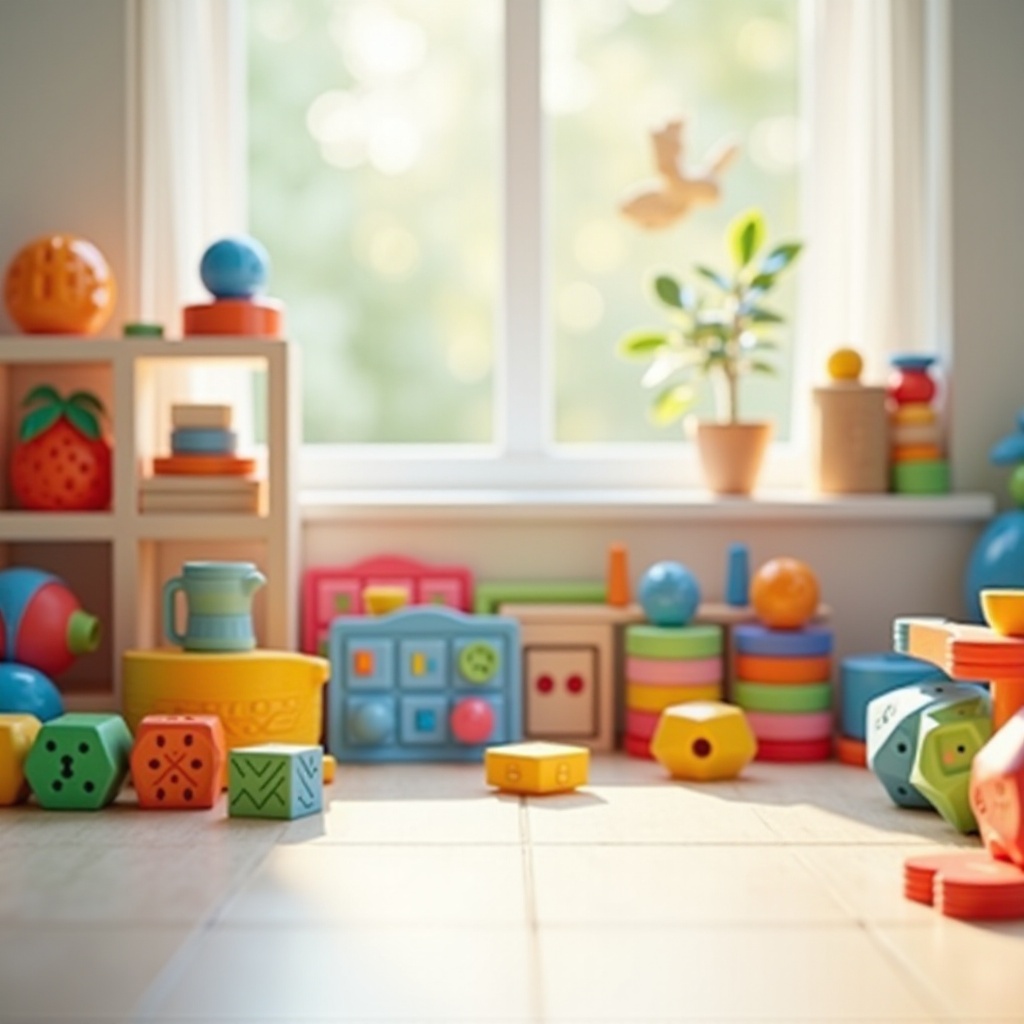
Conclusion
Incorporating educational toys into the lives of autistic children offers profound developmental benefits. By understanding these toys’ full potential, caregivers can create supportive environments encouraging both learning and growth.
FAQs:
Frequently Asked Questions
What are the best sensory toys for autistic children?
The best sensory toys include textured balls, Play-Doh, and light-up toys that provide tactile, visual, and auditory stimulation.
How do movement toys benefit autistic kids?
Movement toys enhance balance, coordination, and physical health while providing a valuable energy outlet.
Can artistic toys help in developing communication skills in autism?
Yes, artistic toys encourage self-expression and creativity, contributing to communication skills by providing alternative avenues for conveying ideas and feelings.