The Educational Value of Traditional Toys: Harnessing Classic Play for Modern Learning
Introduction
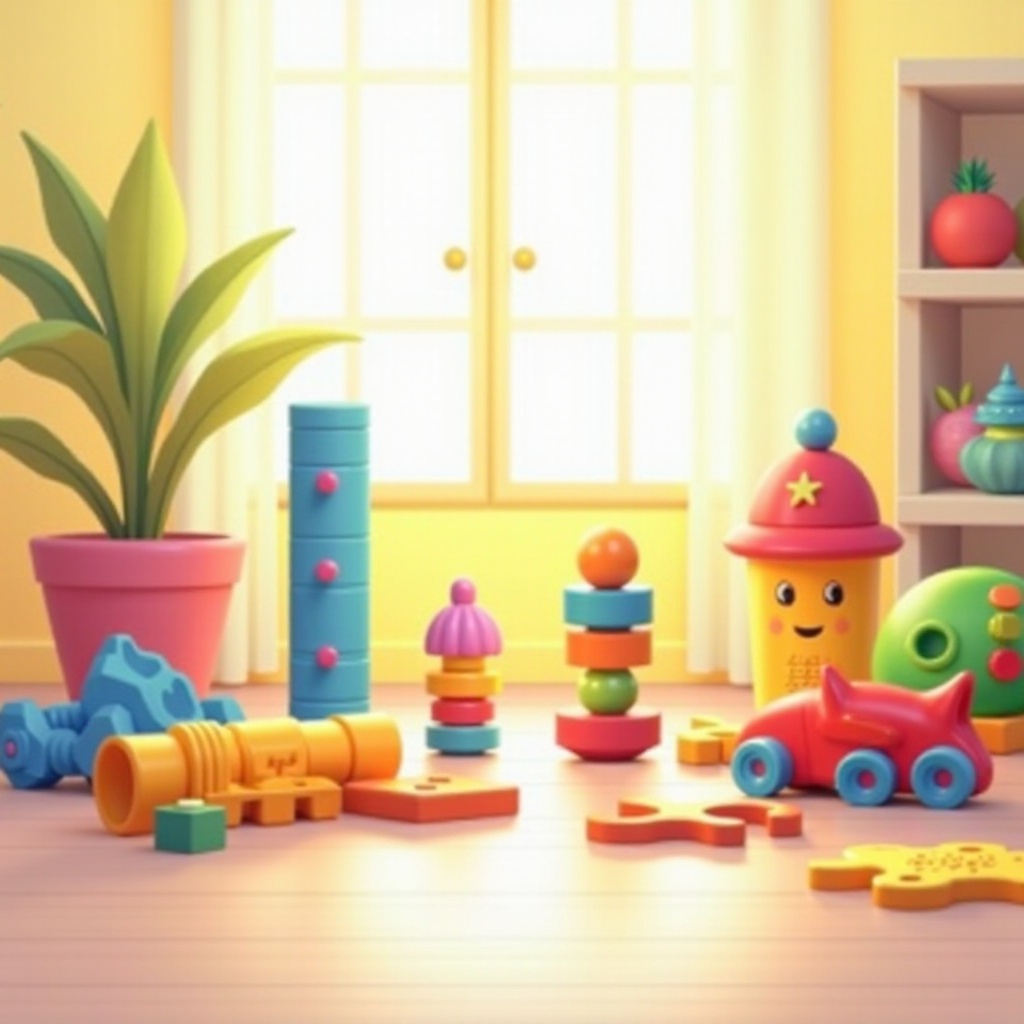
Traditional toys have been cherished for their role in childhood development throughout generations. They offer a range of educational benefits, remaining vital in today’s learning environments. These toys, from wooden blocks to dolls, provide hands-on engagement, nurturing skills crucial for child development. As parents and educators revisit these timeless toys, understanding their educational value is key to enriching children’s learning experiences.

The Significance of Traditional Toys in Early Childhood Education
Traditional toys hold a special place in early childhood education, offering benefits that go beyond mere entertainment. They nurture skills like reasoning, creativity, and interpersonal communication. Incorporating traditional toys in early learning fosters holistic growth, offering a balanced approach that complements digital toys. This integration supports a rounded educational experience, equipping children with foundational skills essential for their future academic pursuits.
Cognitive Benefits of Classic Toys
Cognitive development is a pivotal aspect of childhood learning, and traditional toys significantly enhance these skills:
Enhancing Problem-Solving Skills Through Play
With toys like puzzles and building blocks, children face scenarios demanding critical thinking. These activities encourage analysis, understanding of cause-effect relationships, and strategy development, thereby refining their problem-solving abilities. Such engagement fosters a mindset geared towards innovation and adaptability.
Developing Memory and Concentration with Puzzles
Classic puzzles excel in sharpening memory and concentration. Children visualize patterns and remember piece placements, boosting memory retention. The focus needed for puzzle completion strengthens their ability to concentrate over extended periods, a vital attribute for academic success.
Stimulating Creativity and Imagination
Traditional toys ignite creativity, especially with dolls and action figures. Children craft narratives and imaginative scenarios, fostering originality. This creative play enhances storytelling skills and cultivates out-of-the-box thinking, qualities invaluable in today’s dynamic world.
The cognitive advantages of traditional toys naturally lead into their physical benefits, blending mental and physical development seamlessly.
Physical Development and Traditional Toys
Physical development is crucial alongside cognitive skills in childhood, and traditional toys offer supportive pathways for growth:
Improving Fine Motor Skills with Blocks and Figures
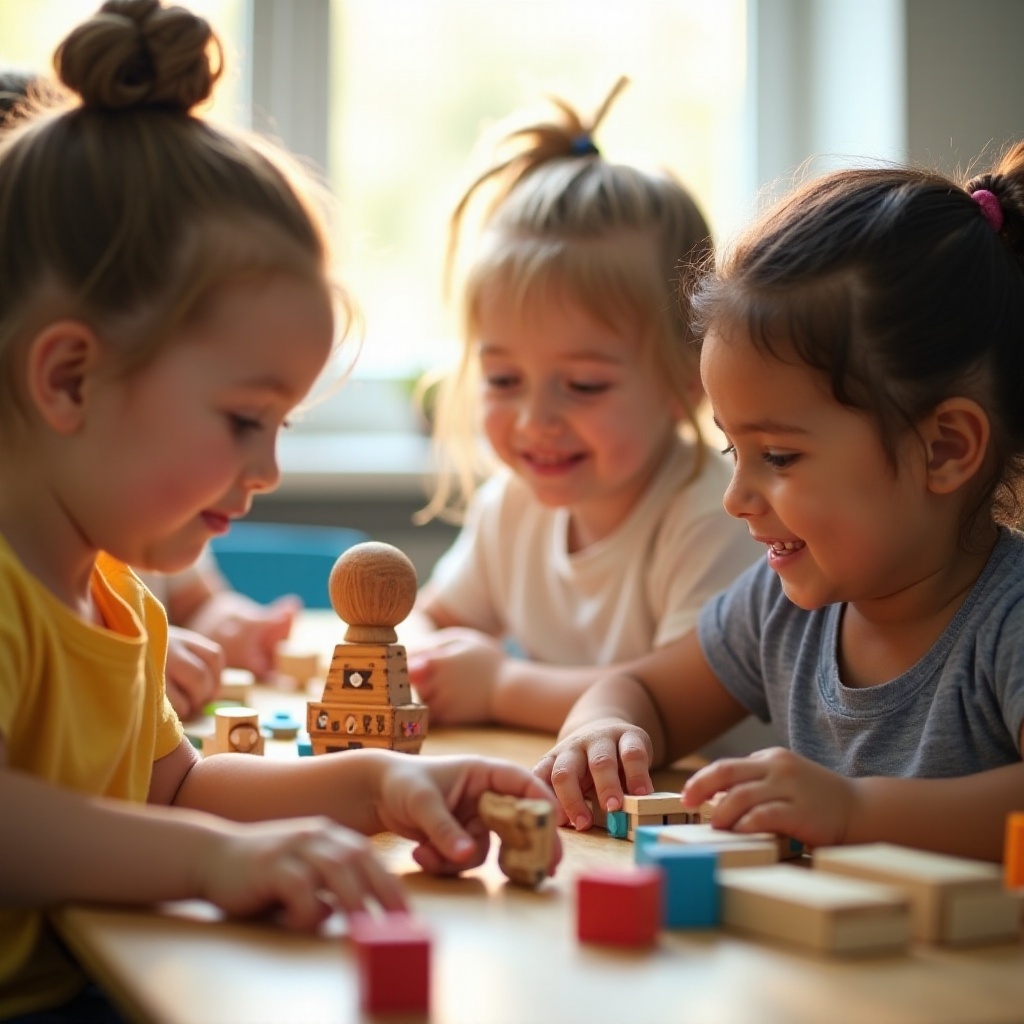
Handling blocks and figures improves fine motor skills, requiring precision and coordination, and enhancing hand-eye coordination. Engaging with these toys builds strength and dexterity, foundations for writing and intricate tasks.
Promoting Gross Motor Skills with Active Play Toys
Toys like jump ropes and balls are pivotal in developing gross motor skills. They encourage active play, promoting physical fitness and muscle development. Children learn balance, coordination, and spatial awareness, essential for physical growth and overall health.
As both cognitive and physical skills develop, traditional toys also offer substantial benefits for social and emotional growth, solidifying their holistic educational value.
Social and Emotional Growth Facilitated by Traditional Toys
Beyond cognitive and physical contributions, traditional toys are instrumental in social and emotional development:
Building Empathy with Role-Playing Toys
Role-playing toys such as dolls allow children to explore social scenarios. They practice empathy by adopting different roles and understanding diverse perspectives. These interactions cultivate compassionate, sociable individuals, vital for harmonious social interaction.
Fostering Teamwork and Cooperation
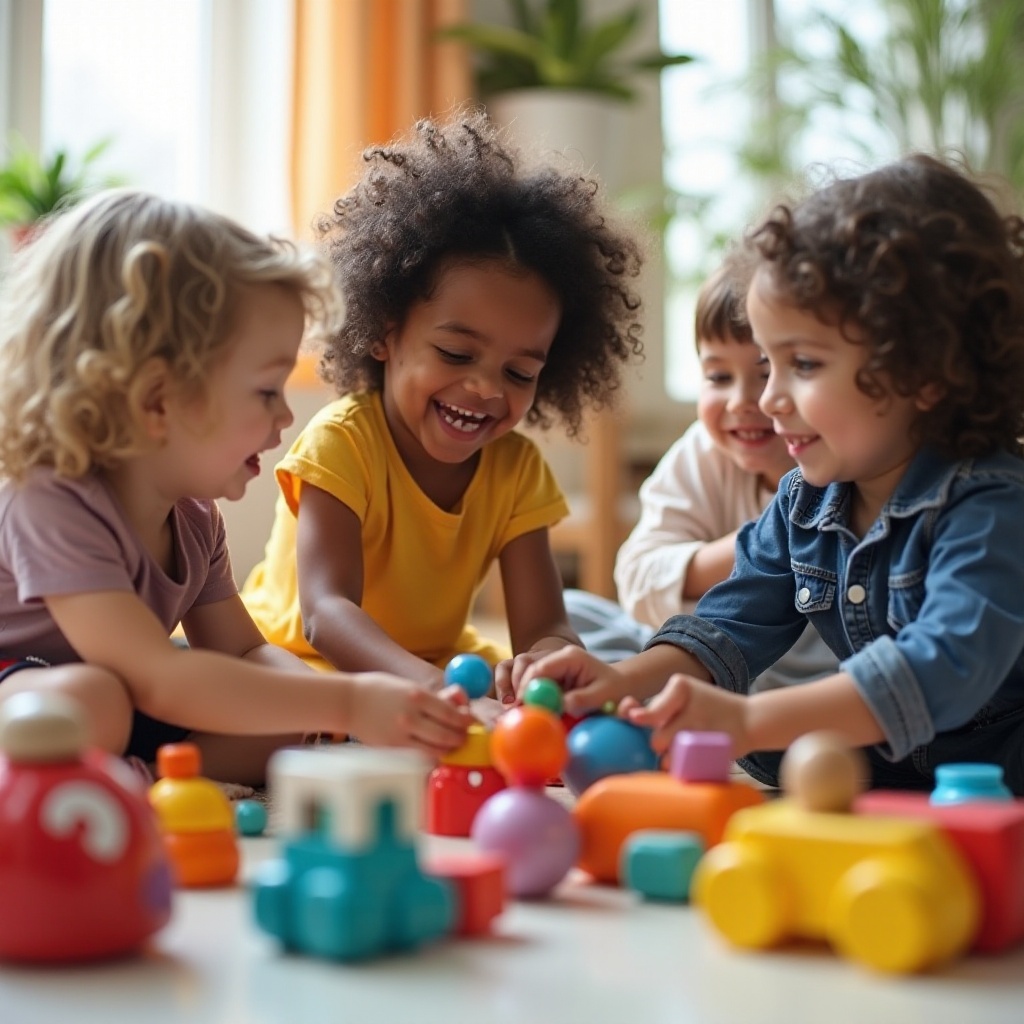
Many traditional toys encourage cooperative play, fostering teamwork. Children learn to share, negotiate, and collaborate towards common goals. These experiences instill a sense of community and the ability to work effectively with others, essential traits in personal and professional realms.
Encouraging Communication and Language Skills
Interactive play with traditional toys enhances communication skills. Conversations during play require clear expression and attentive listening, promoting language development. These interactions bolster verbal skills and expand vocabulary, forming the cornerstone of effective communication throughout life.
Conclusion
Traditional toys offer multifaceted educational benefits that transcend mere play. Integrating them into learning environments fosters holistic growth—cognitive, physical, social, and emotional—providing a balanced and enriching educational journey for children. As modern education evolves, embracing the educational value of traditional toys ensures children receive comprehensive learning experiences, preparing them for success across various life aspects.
Frequently Asked Questions
Are traditional toys suitable for all age groups?
Yes, traditional toys are adaptable, offering educational benefits across different age groups. They can be tailored to suit various developmental stages.
How can parents incorporate traditional toys into modern playtime?
Parents can balance traditional and digital toys, fostering diverse play. Setting specific times for traditional toy play can spark interest and enjoyment.
What are the benefits of traditional toys compared to digital toys?
Traditional toys provide tactile, hands-on learning, enhancing creativity, motor skills, and social interactions, while digital toys offer tech-driven cognitive engagement. Balancing both yields comprehensive developmental benefits.