The Ultimate Guide to Choosing a Toy Kitchen with Microwave
Introduction
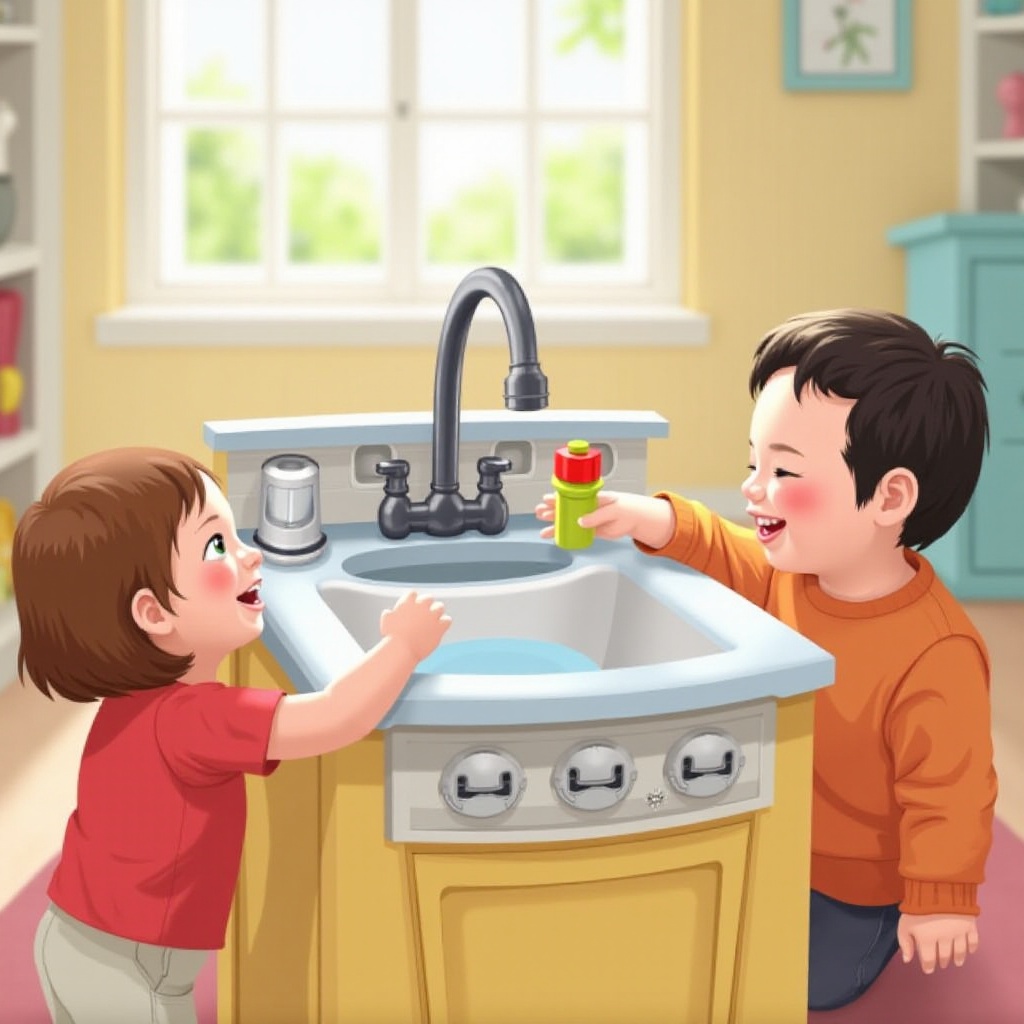
Toy kitchens have become essential in children’s playrooms, sparking creativity and teaching life skills. They serve as a miniature version of real kitchens, helping kids engage in imaginative play. Adding a microwave to these kitchens heightens the realism and excitement, mirroring modern kitchen environments. This guide delves into the features, benefits, and top models of toy kitchens with microwaves.
Why Choose a Toy Kitchen with Microwave?
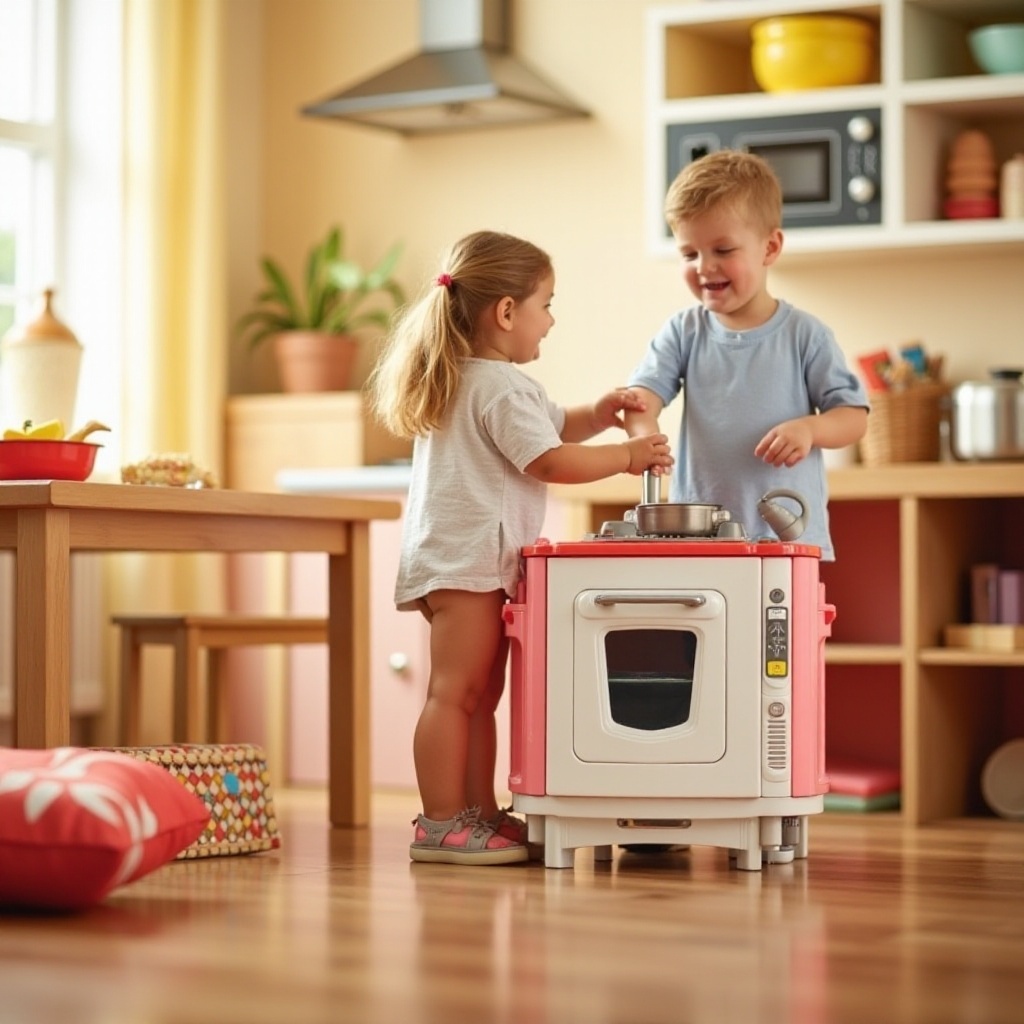
A toy kitchen with a microwave provides realistic play experiences and encourages children to imitate adult roles in cooking and household chores. This role-play nurtures cognitive development and boosts creativity. Children gain valuable life skills, such as cooperation and communication, when they share tasks in the kitchen.
Microwaves in toy kitchens offer teaching moments, such as understanding cooking processes and basic time management. These experiences build self-confidence and a sense of responsibility. With this groundwork laid, we will now explore what key features to look for in selecting a toy kitchen with a microwave.
Key Features to Look for in a Toy Kitchen with Microwave
When shopping for a toy kitchen, several crucial factors will ensure longevity and safety:
- Safety and Durability: Opt for kitchens made from non-toxic materials, free of sharp edges. It’s essential that the kitchen is sturdy enough to resist tipping over during active play.
- Size and Space Considerations: Consider your available space and the kitchen’s dimensions. Choose a model designed for both individual and group play.
- Materials and Build Quality: Favor kitchens made from durable materials like high-quality plastic or wood, ensuring they can withstand rough handling. Reviews can provide insight into the product’s durability.
With these elements in mind, let’s evaluate some popular toy kitchen models featuring microwaves.
Top Toy Kitchen Models with Microwaves
Choosing the best toy kitchen involves balancing features, durability, and cost. Here are three standout options:
- Model A: Features, Pros, and Cons
- This model features realistic electronic sounds and includes a fridge, oven, and microwave.
- Pros: Encourages multiple children to play together; robust construction.
- Cons: Assembly might be challenging for some.
- Model B: Features, Pros, and Cons
- A space-saving option with eco-friendly materials.
- Pros: Quick assembly and budget-friendly.
- Cons: Comes with fewer accessories.
- Model C: Features, Pros, and Cons
- Interactive elements like cooking sounds and a full set of play food included.
- Pros: Highly engaging due to sensory features.
- Cons: Higher price may be a consideration.
Having explored these models, it’s important to enhance the play experience further by including play food.
Enhancing Play with Complementary Play Food
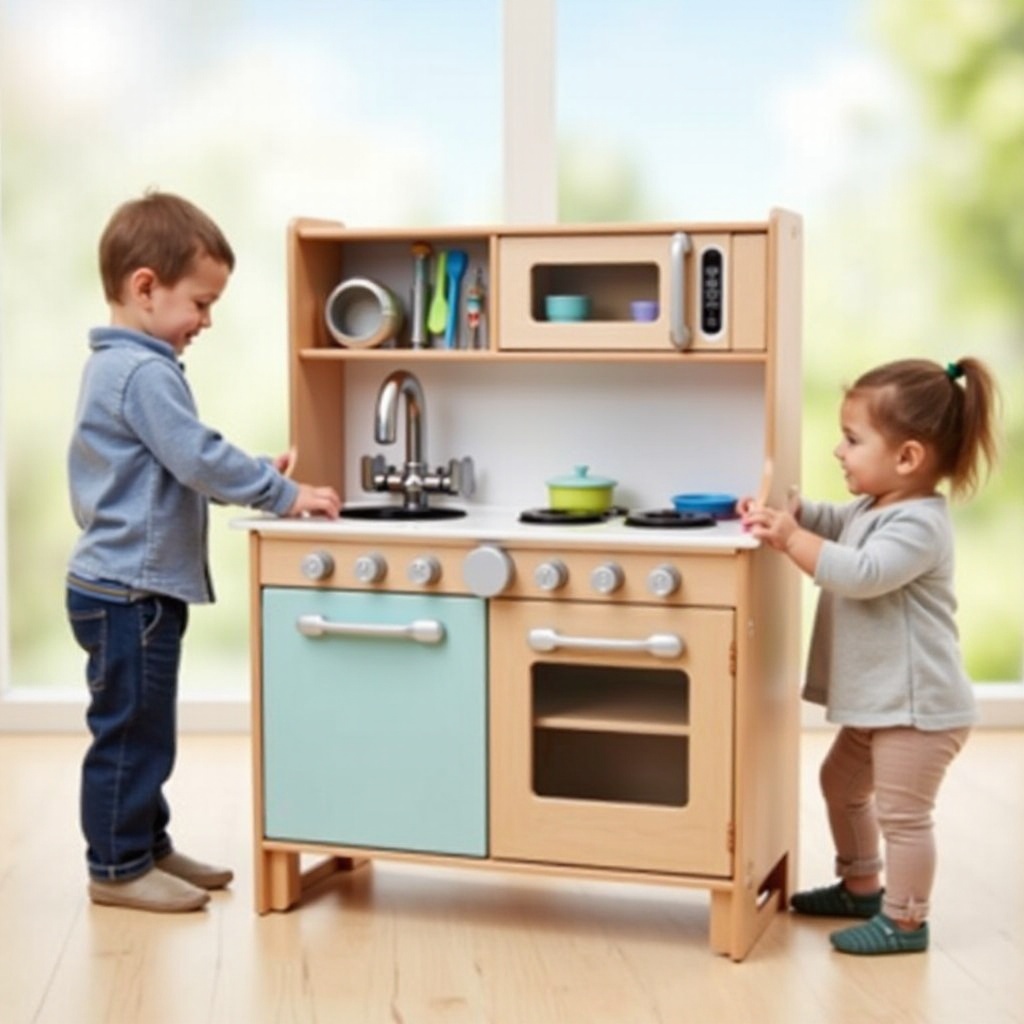
Adding play food to your child’s kitchen setup enriches their imaginative play. It allows children to explore and enact a variety of scenarios, boosting their vocabulary and understanding of different foods and meals.
When selecting play food, focus on:
- Variety: Offer a mix of items like fruits, vegetables, grains, and proteins to create varied ‘meals.
- Realism: Choose life-like textures and colors for a more immersive experience.
- Safety: Ensure items are large enough to prevent choking and made from non-toxic materials.
With both a toy kitchen and play food, the possibilities for creative play are endless. Adding accessories can heighten this play.
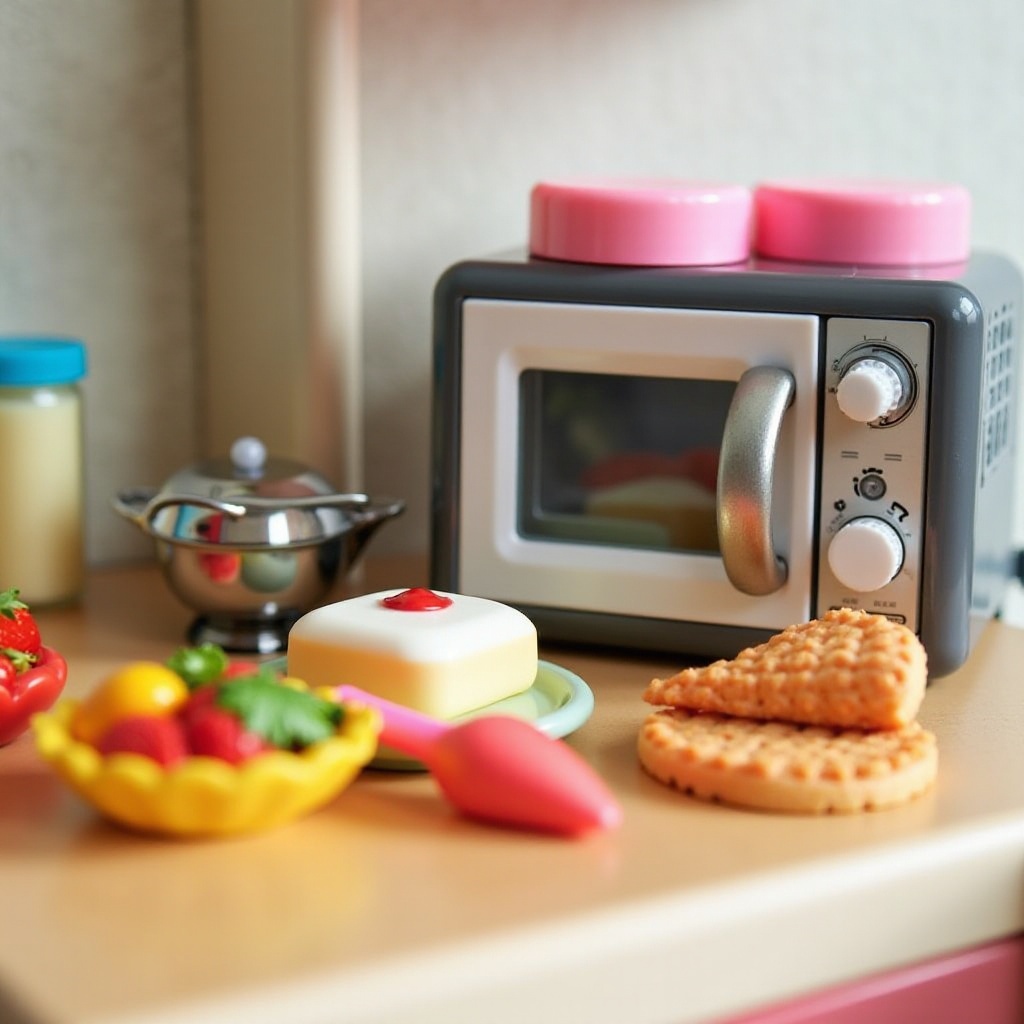
Accessorizing Your Toy Kitchen for Maximum Enjoyment
Accessories can significantly enhance your child’s play kitchen, turning it into a vibrant hub of activity. Consider incorporating:
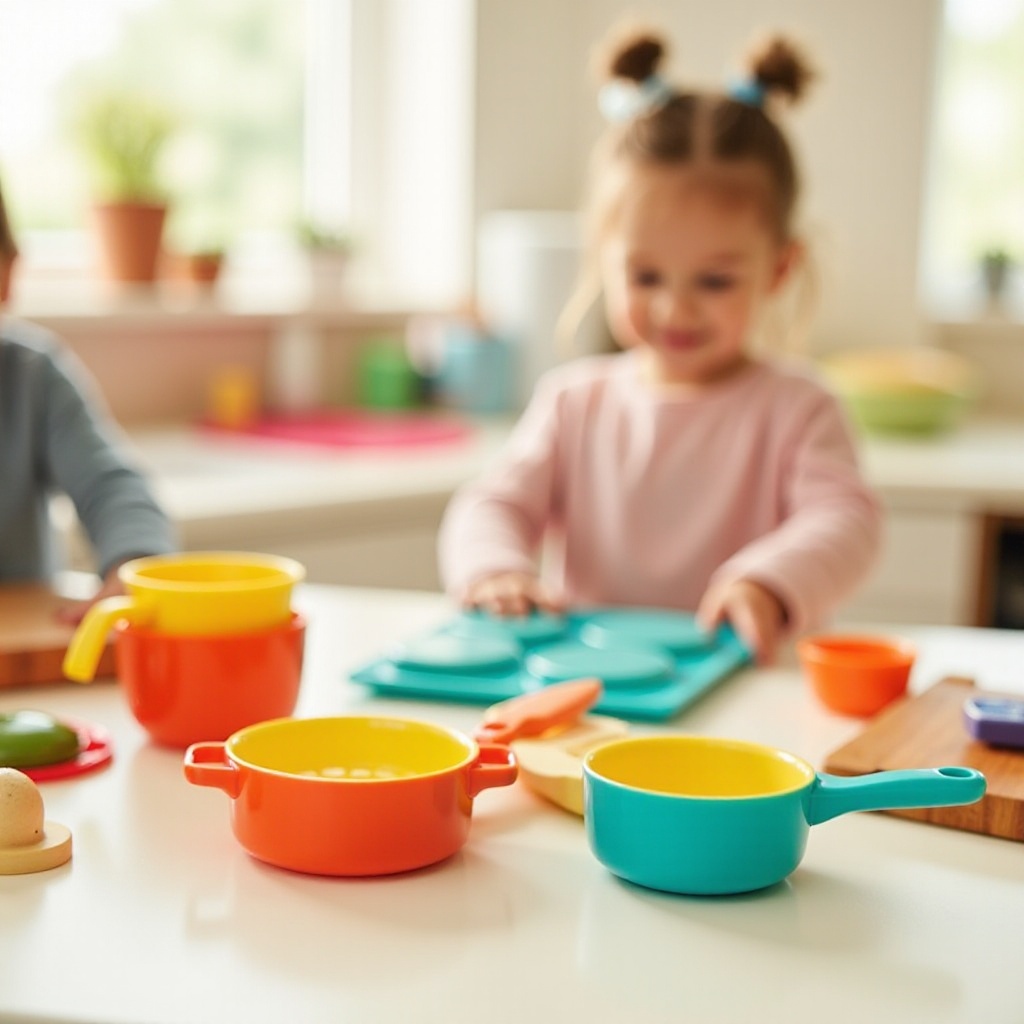
- Cookware Sets: Child-sized pots, pans, and utensils to mimic a real kitchen environment.
- Dress-Up Items: Chef hats and aprons add creativity and engagement.
- Organization Tools: Storage bins promote tidiness and teach organization.
These additions not only increase fun but also impart lessons on cleanliness and responsibility. As we conclude this comprehensive guide, let’s reflect on the benefits you can expect from making a thoughtful selection.
Conclusion
Selecting a toy kitchen with a microwave involves more than just play; it’s about sparking creativity and supporting developmental growth. By ensuring safety, engagement, and ample learning opportunities, you provide your child with the foundations for imaginative play and learning. Remember, the best toy kitchen is one that fits your child’s interests and your living space.
Frequently Asked Questions
What age is a toy kitchen with microwave suitable for?
Toy kitchens are generally suitable for children aged three and up. It’s essential to check specific guidelines on each product for age appropriateness.
How does a toy kitchen with a microwave enhance learning?
These kitchens promote role-playing, improve vocabulary, and provide a basic understanding of kitchen safety and cooking processes.
Are there any safety concerns with toy kitchens that have microwaves?
The primary concern is to ensure all materials used are non-toxic and that the kitchen is stable during play. Always supervise young children during play to ensure safety.