The Ultimate Guide to Kids’ Toys for Girls: Kitchen Appliances
Introduction
Children love mimicking their surroundings, and toy kitchen sets offer them a perfect means to do so. With these miniature kitchens, girls engage in imaginative play that mirrors real-life cooking activities they see daily. Whether it’s whipping up a pretend cake or concocting a make-believe soup, these toys are more than just for fun—they’re educational tools that nourish early childhood development.

Benefits of Toy Kitchen Appliances
Toy kitchen sets bring a bounty of benefits that transcend simple play.
- Encouraging Creativity and Imagination: By morphing into mini chefs, children dream up recipes and construct narratives, boosting their storytelling prowess.
- Developing Social and Cognitive Skills: These sets simulate real-world scenarios, teaching sharing, turn-taking, and communication as kids play together.
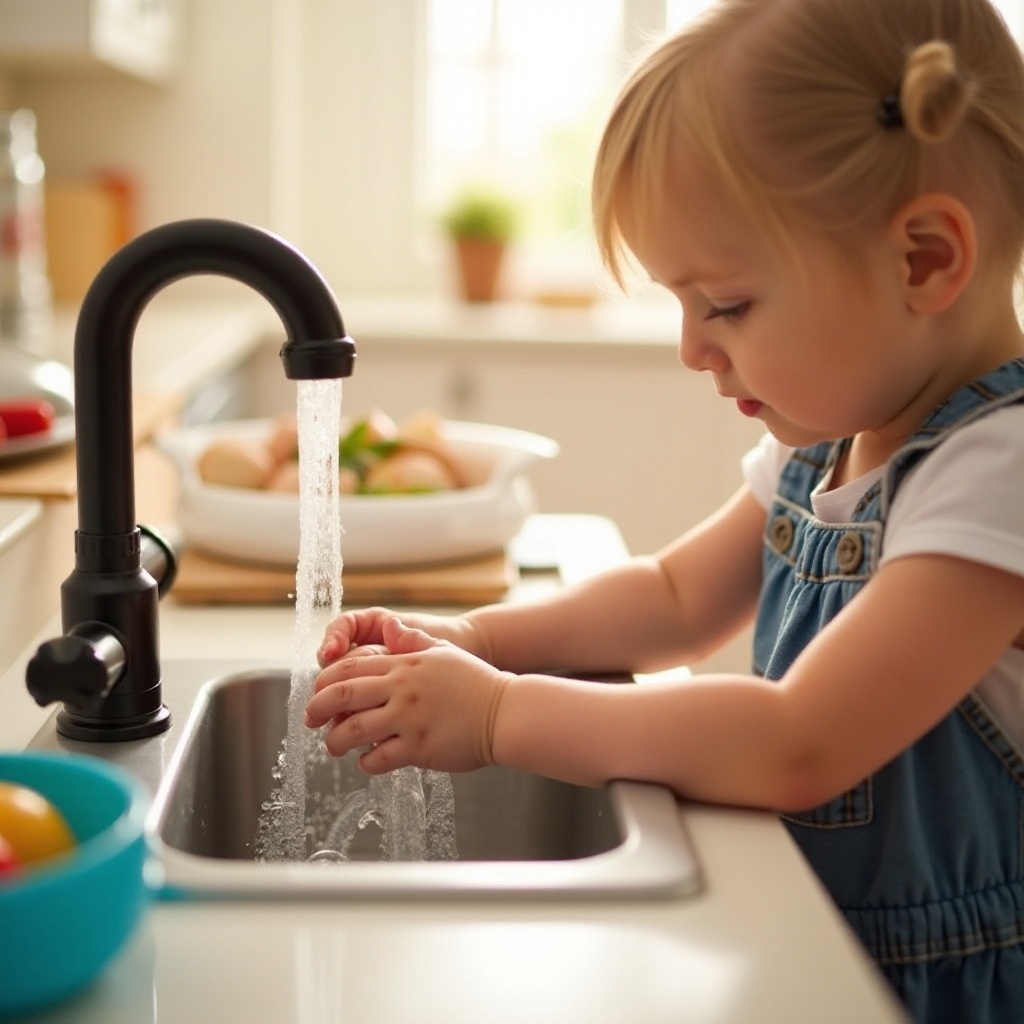
- Fostering Responsibility and Independence: As they act out cooking and cleaning tasks, children gain insights into responsibility, helping them feel independent.
As we focus on nurturing these skills, it’s crucial to choose the right kitchen appliances for varying age groups.
Essential Kitchen Appliances for Girls
Selecting appropriate kitchen appliances tailored for each age group optimizes the play experience.
- Top Picks for Toddlers: Toddlers need bright, lightweight, and large appliances to prevent choking hazards. Simple tools like a colorful pot or a mini toaster can ignite endless play.
- Best Options for Preschool Girls: Preschoolers enjoy appliances with more detail. Gadgets that light up or emit sounds captivate their senses. Consider electronic stoves or playful mixers.
- Advanced Appliances for Older Kids: Older children seek realistic play sets. Appliances that mirror actual kitchen gear push their imagination to new heights, such as grindable coffee machines or functional microwave doors.
Next, pairing these appliances with the right play food amplifies the authenticity of the culinary adventure.
Choosing the Right Play Food
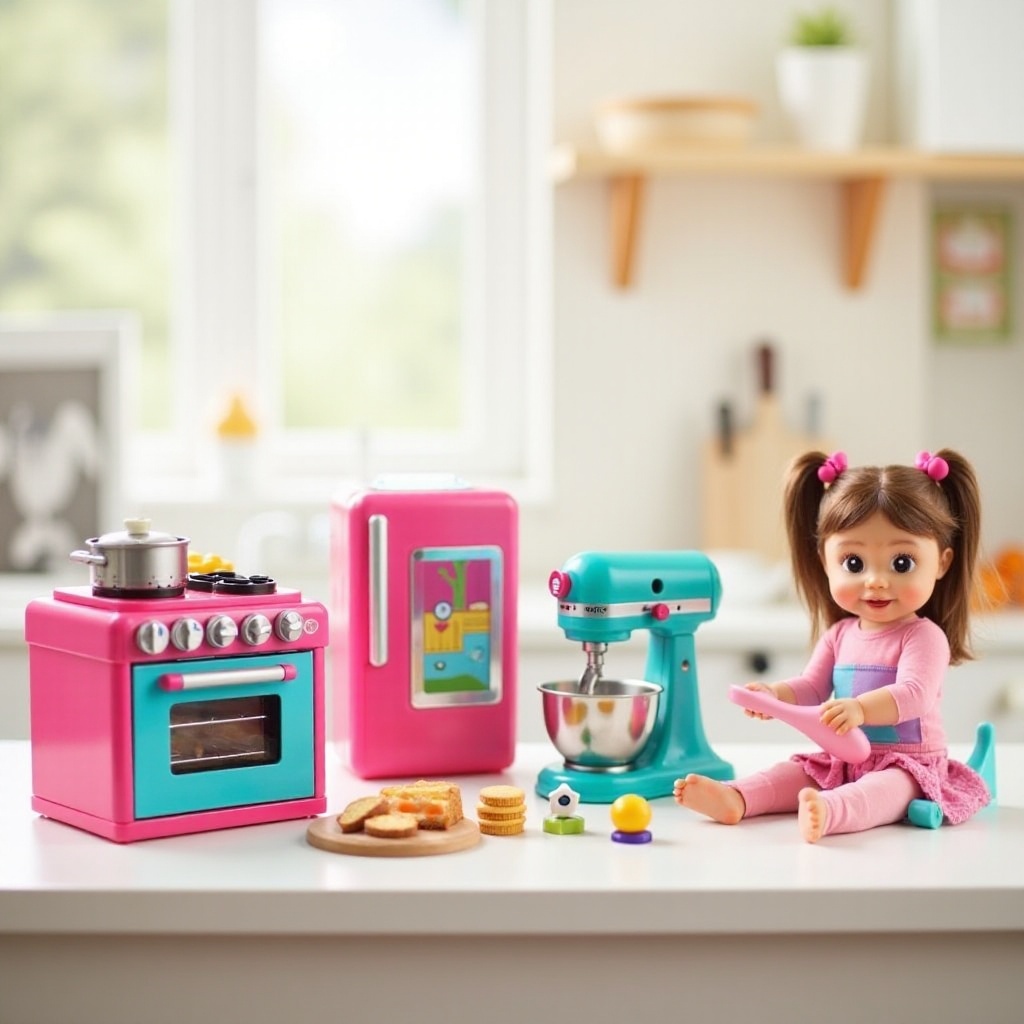
Play food is integral to enriching a kitchen set.
- Types of Play Food Materials: You’ll find play food in plastic, wood, or felt. Plastic mimics realism and is durable, wood is sturdy and eco-friendly, while felt is light and universally safe.
- Considerations for Safety and Durability: Always ensure materials are free from harmful chemicals. Pick items robust enough for rough use and too large to pose a choking threat.
- Educational Play Food Options: Seek play food teaching colors, shapes, or food groups. Kits including fruits, veggies, dairy, and grains creatively introduce nutrition concepts.
Understanding safety lays the groundwork for exploring which brands offer the best quality choices.
Top Toy Kitchen Brands of 2024
In 2024, several brands stand out for their excellence, innovation, and safety credentials.
- Overview of Popular Brands: Brands like Little Tikes and KidKraft shine for their durable, vibrant, and realistic play sets. Both excel in meticulous detail and robust safety features.
- Brand Comparisons and Reviews: Little Tikes is famous for its multicolored, easy-to-assemble kits, while KidKraft produces intricate, realistically styled appliances. Let your child’s tastes guide your choice.
- New Entrants in the Market: Hape, a newcomer, has grabbed attention with its eco-friendly, wooden options, marrying sustainability with aesthetic appeal.
Integrating suitable accessories can transform a basic kitchen set into an authentic culinary adventure, bustling with creativity.
Enhancing Imaginative Play with Accessories
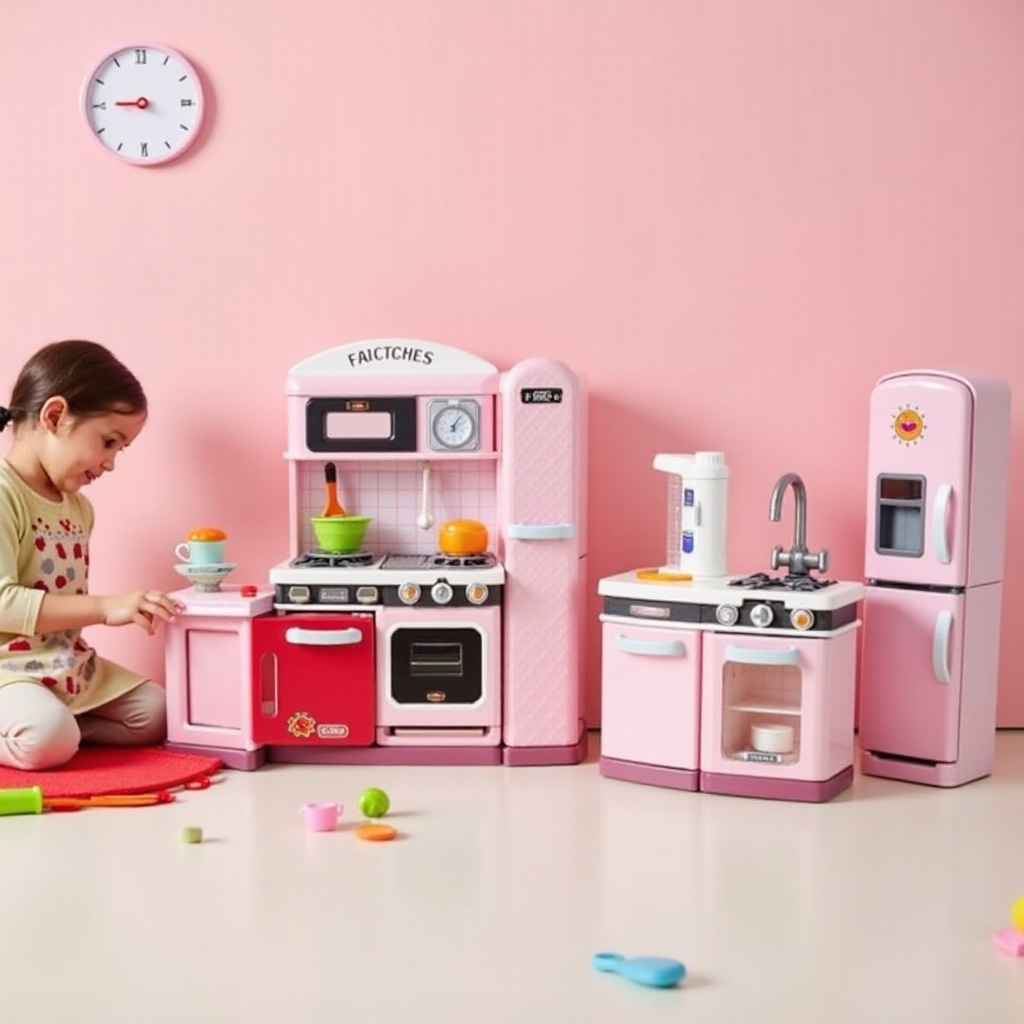
Accessories can elevate a toy kitchen from simple to extraordinary.
- Best Accessories for Creative Play: Including pots, pans, utensils, and towels generates dozens of new imaginative scenarios. Consider comprehensive utensil sets.
- Integrating Role Play with Kitchen Toys: Encouraging kids to don aprons and chef hats enriches role play, fostering storytelling and deepening their learning.
A thoughtful play kitchen setup involves managing the play space effectively, engaging a child thoroughly.
Tips for Setting Up a Play Kitchen
Setting up your child’s play kitchen involves optimizing space and organization.
- Space and Storage Considerations: Ensure your layout allows ample room for playful exploration and storage. Consider modular units to tuck away toys neatly post-play.
- Organizing Kitchen Tools and Accessories: Keep order with labeled containers or shelves. This not only maintains tidiness but teaches kids about the importance of organization and responsibility.
Conclusion
Toy kitchen sets ignite joy and are pivotal in nurturing childhood skills. By selecting the right appliances, safe play foods, and engaging accessories, you forge a fun and educational environment.
Frequently Asked Questions
What age is appropriate for toy kitchen sets?
Toy kitchen sets are typically suitable for children aged 2 and up, ensuring the set’s design matches their developmental stage.
How can I ensure the safety of kitchen toys?
To ensure safety, verify that all materials are non-toxic, parts are large enough to avoid choking, and that sharp edges are absent.
What are the benefits of play kitchens for girls?
Play kitchens promote creativity, social interaction, and responsibility, providing a hands-on opportunity for children to explore and learn.