The Best Kitchen Toys for 5-Year-Olds: Encouraging Creativity and Learning
Introduction
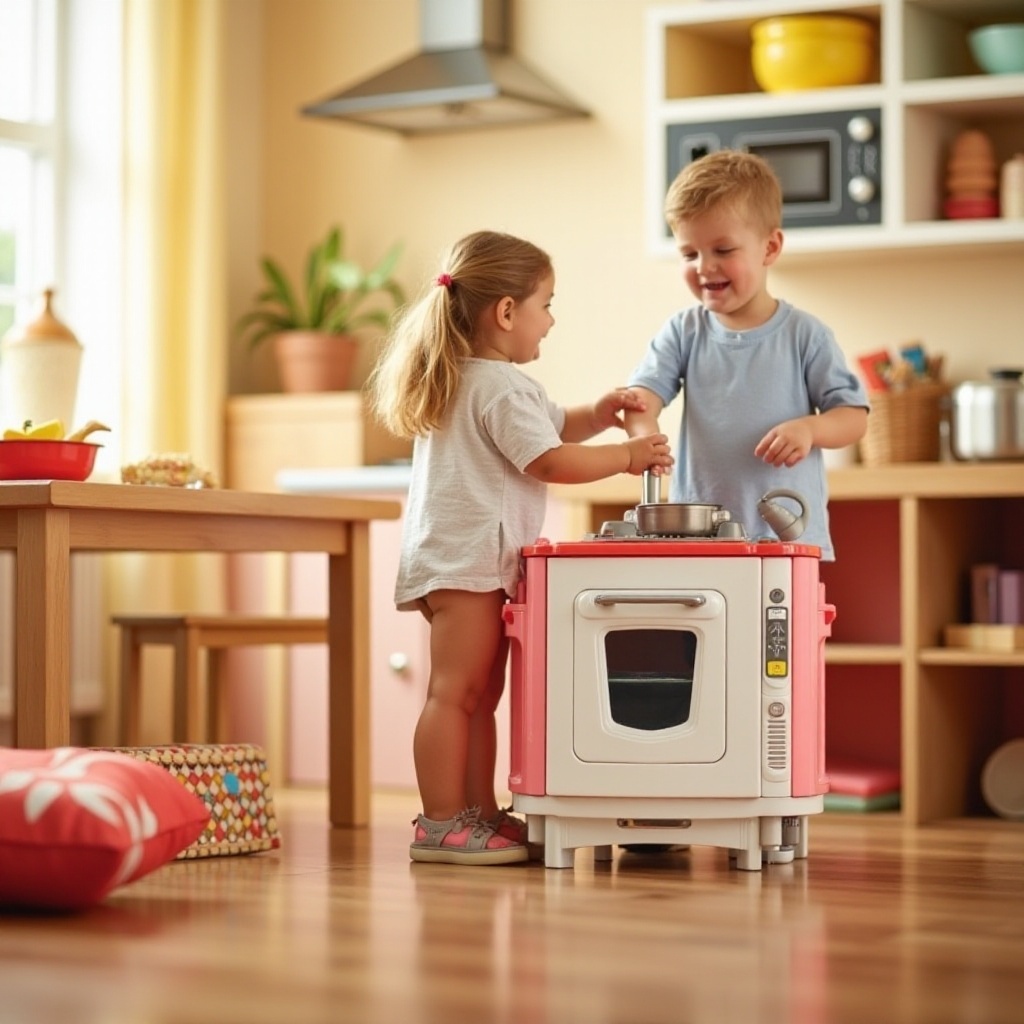
Kitchen toys are fantastic tools for sparking creativity and enhancing learning in young children. For 5-year-olds, these toys offer an engaging way to explore real-life scenarios in a playful setting. More than just toys, kitchen sets provide interactive experiences that promote skill-building and imaginative play. The right kitchen toys can foster social development and improve hand-eye coordination while introducing basic cooking concepts.
Benefits of Kitchen Toys for 5-Year-Olds
Kitchen toys provide numerous advantages for young children, making them a valuable addition to playtime.
- Encouraging Imaginative Play: Kitchen toys allow children to construct their own scenarios and narratives. Engaging in role-play as chefs or homemakers, they practice language skills and problem-solving while exploring various emotions.
- Developing Social and Communication Skills: Playing together in a kitchen setting teaches children teamwork, turn-taking, and effective communication. Role-playing familiar scenarios offers them a safe environment to understand and handle different social situations.
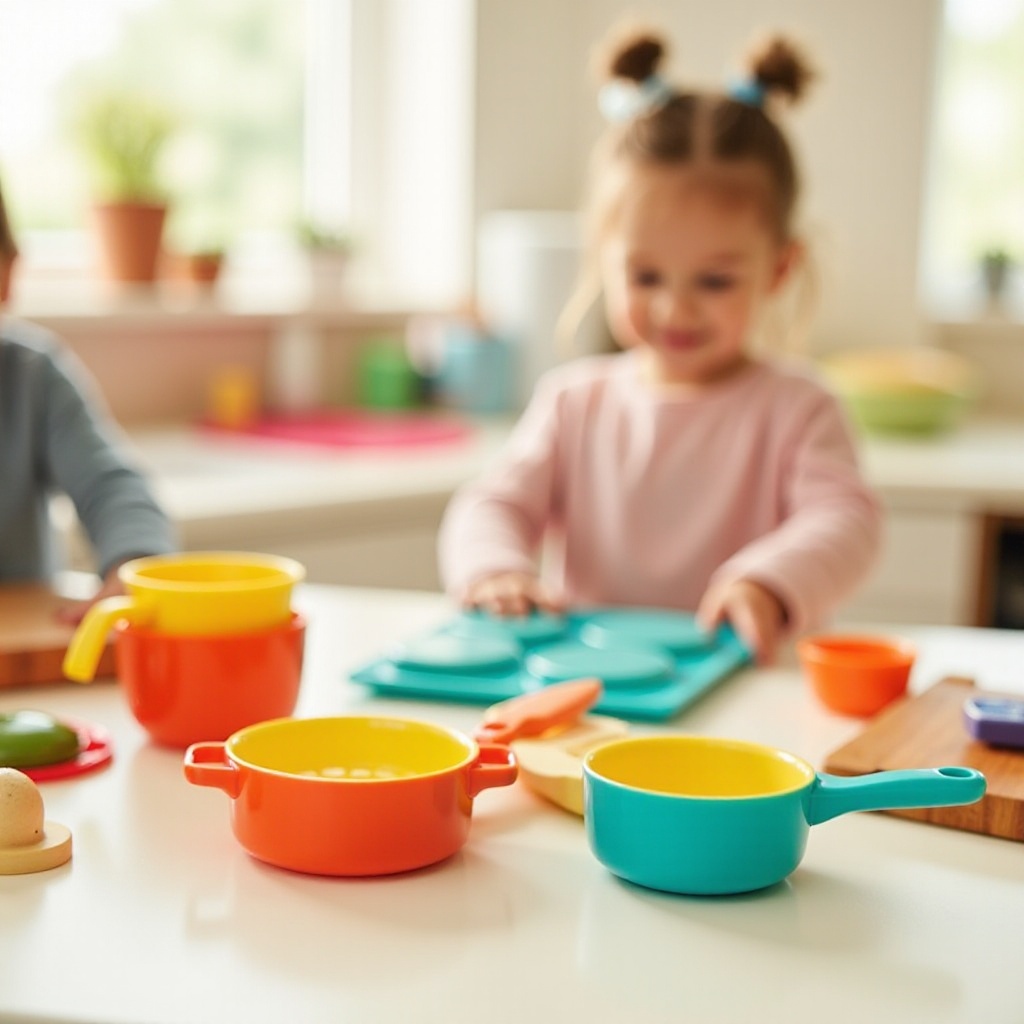
- Enhancing Fine Motor Skills: Manipulating small items like kitchen utensils, opening doors, and arranging play food enhances fine motor coordination. These activities help strengthen hand muscles and improve overall dexterity.
With these benefits in mind, let’s explore some top kitchen toy sets that are making waves in 2024.
Top Kitchen Toy Sets for 2024
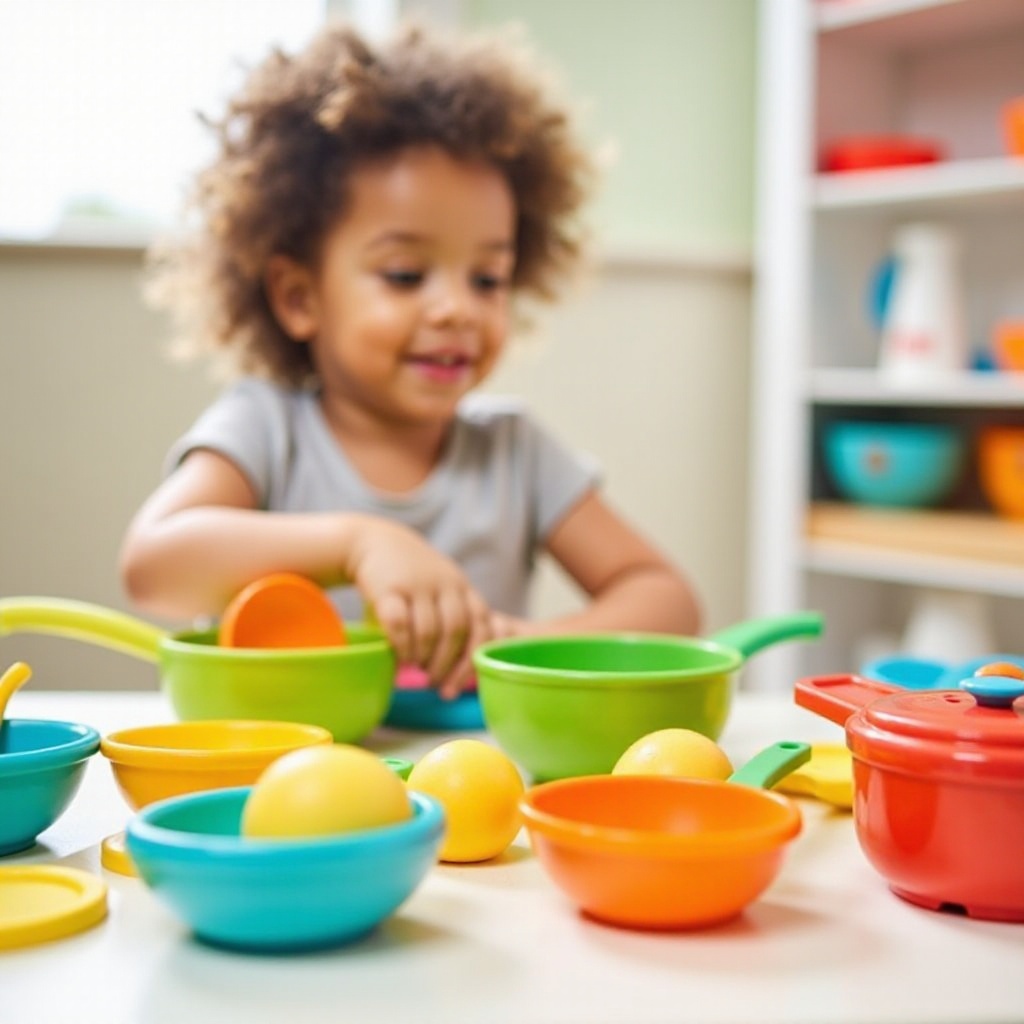
Selecting the perfect toy kitchen set involves considering both functionality and fun. Here are some standout choices for 2024:
- Features to Look for in a Toy Kitchen Set: Safety should be a top priority, focusing on sets with rounded edges, non-toxic materials, and stable construction. Look for engaging features such as clickable knobs, openable doors, and realistic sounds that enhance play.
- Recommended Brands and Their Unique Offerings: Brands like KidKraft, Little Tikes, and Step2 offer a wide range of options. KidKraft specializes in detailed wooden designs, while Little Tikes emphasizes durable plastic sets. Step2 is known for its realistic and robust designs.
- Safety Considerations and Certifications: Confirm that the kitchen sets comply with safety standards and display certification markings. Ensure that small parts pose no choking hazards and that the set matches the appropriate age level.
After deciding on a kitchen set, it’s time to enrich the play experience with complementary accessories.
Must-Have Accessories for Play Kitchens
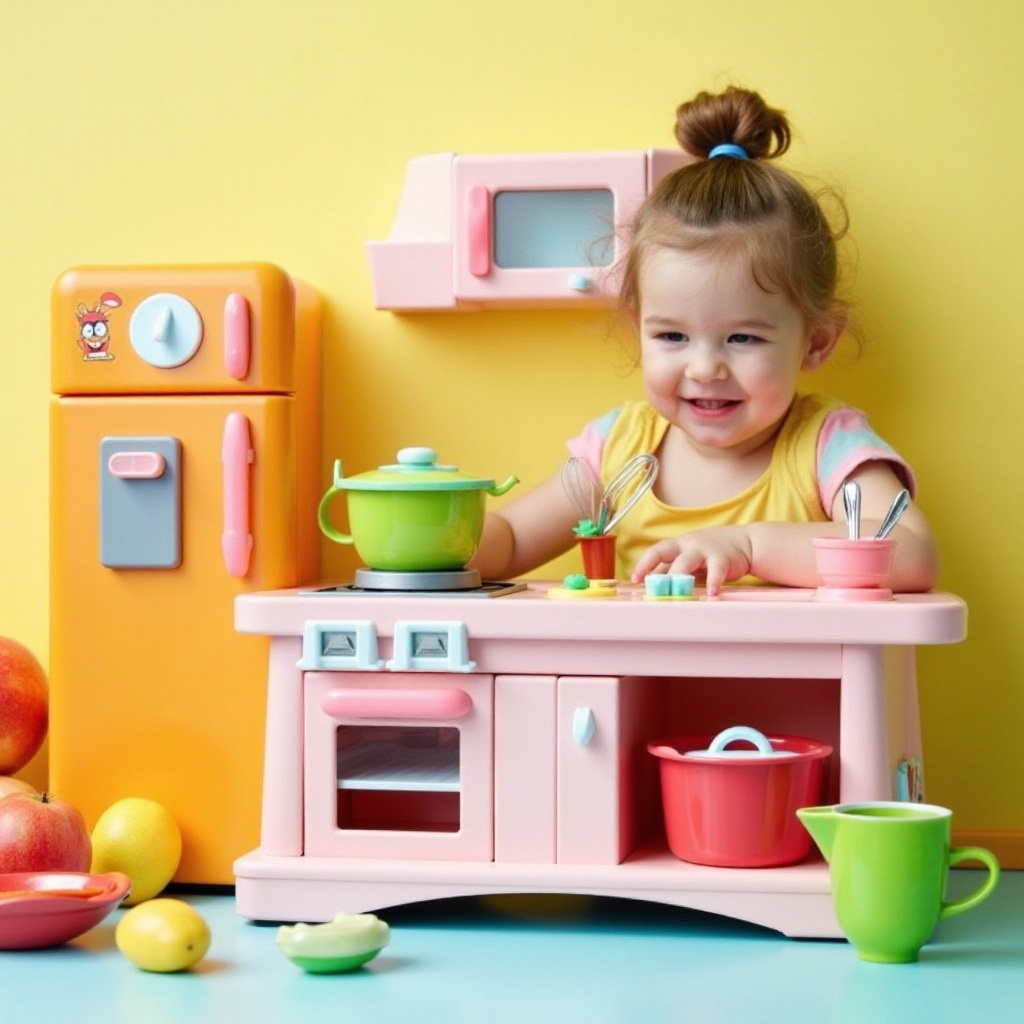
Enhance your child’s toy kitchen with these essential accessories for a more immersive and educational experience:
- Play Food Sets and Their Importance: Play food sets are instrumental in helping children understand various food items and their uses. Sets with bright colors and diverse textures offer a greater sense of realism.
- Cooking Utensils and Equipment: Miniature pots, pans, and utensils create authentic play scenarios, stimulating creativity and honing fine motor skills.
- Creative Add-Ons for Enhanced Playtime: Additional items like aprons, chef hats, and shopping baskets enhance imaginative play. These accessories make the experience more lifelike and engaging, encouraging children to play for longer periods.
Equipping a kitchen set with these accessories adds multiple dimensions to children’s learning and enjoyment.
Educational Value of Kitchen Toys
Toy kitchens go beyond entertainment; they also provide substantial educational benefits:
- Strengthening Math and Counting Skills: Organizing play food and setting tables introduces counting and basic math concepts. Children practice identifying shapes, sorting items, and performing simple addition and subtraction tasks.
- Learning About Nutrition and Healthy Eating: As children pretend to cook, parents can introduce healthy eating habits and discuss food groups. This play activity helps familiarize them with balanced diets in a fun manner.
- Introducing Basic Cooking Concepts: Stirring, measuring, and combining ingredients teach fundamental cooking processes. Children learn about different cooking methods like baking and serving.
The right set choice involves considering both your child’s preferences and practical considerations like available space.
How to Choose the Right Kitchen Toys for Your Child
When picking a kitchen toy set, these considerations are key:
- Assessing Your Child’s Interests and Needs: Understand your child’s play preferences. Do they show interest in culinary activities or helping you in the kitchen? Select a set that aligns with their interests for sustained engagement.
- Considering the Available Space at Home: Kitchen sets vary in size. Choose one that fits comfortably in your designated play area without overpowering the space.
- Budget-Friendly Options: From budget models to high-end replicas, kitchen toys come in various price ranges. Establish your budget and look for a set offering the best features within your price range.
Taking these factors into account will ensure that your purchase is both thoughtful and effective in enhancing your child’s playtime.
Conclusion
Toy kitchens and their accessories serve as powerful tools in supporting the developmental growth of children. By fostering creativity, enhancing social skills, and supporting learning, these toys offer a significant return on investment. Choose the perfect set, thoughtfully outfit it with essential accessories, and watch as your child’s imagination and learning expand.
Frequently Asked Questions
What age is appropriate for toy kitchens?
Toy kitchens are typically suitable for children aged 3 and up. Be sure to check the manufacturer’s age recommendations.
Are wooden or plastic kitchen toys better?
Both materials have their benefits. Wooden sets are often more durable and eco-friendly, while plastic sets can be lighter and easier for small hands to manipulate.
How can I ensure my child’s safety while playing with kitchen toys?
Opt for sets with rounded edges, non-toxic materials, and with no small parts that could be a choking hazard. Regularly check toys for wear and tear for continued safety.