What Are Educational Toys?
Introduction
Educational toys play a crucial role in a child’s growth, providing both fun and educational value. They are crafted to stimulate a child’s senses, encourage imagination, and support learning through interactive play. Choosing toys that educate while they entertain is a significant step in nurturing a child’s development.
Understanding Educational Toys
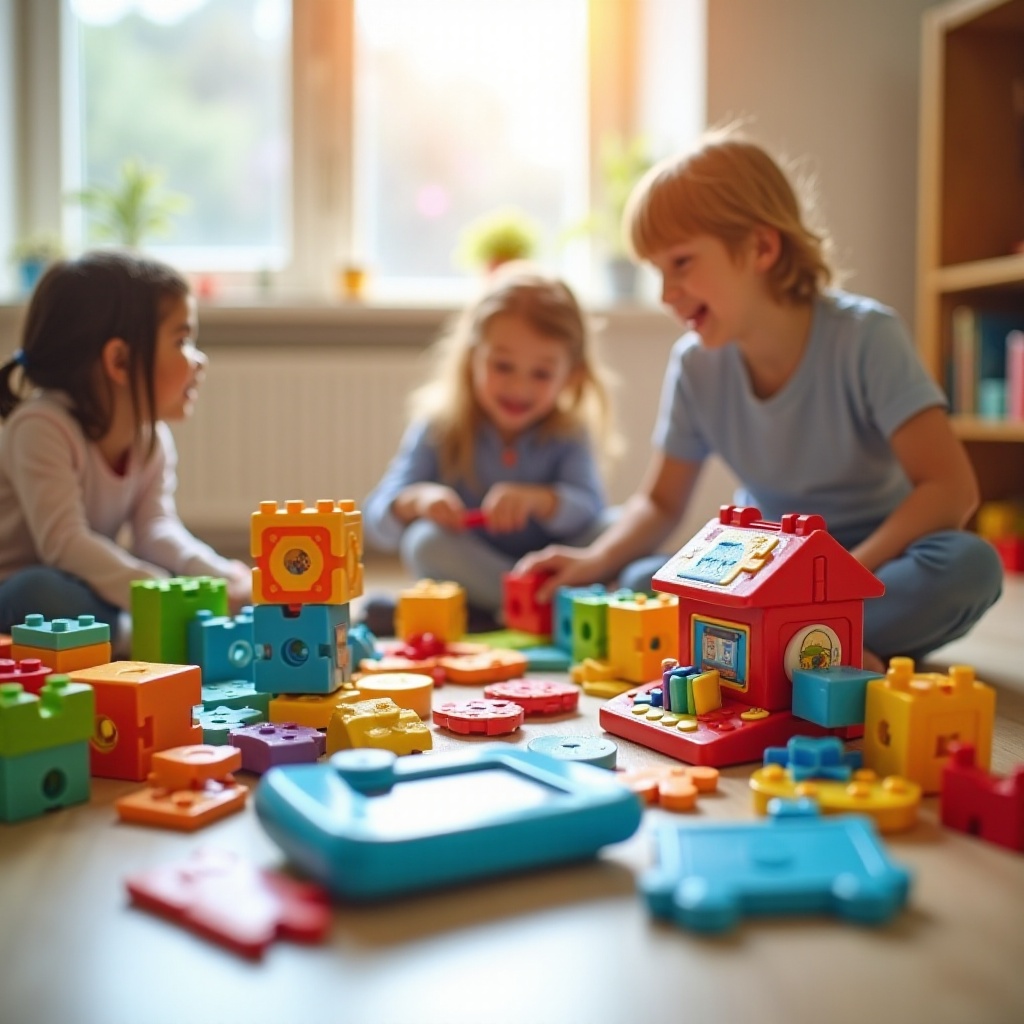
Educational toys are specifically designed to enhance learning and development for children at various stages, from toddlers to teenagers. They offer engaging ways to develop critical skills:
Definition and Purpose:
Educational toys are tools created to foster learning and skill development in children. These toys target various developmental areas like cognitive, emotional, social, and physical growth, allowing children to learn as they play.
The Evolution of Educational Toys
Over the years, educational toys have transformed from simple wooden blocks to advanced tech-enhanced learning devices. Initially focused on basic motor skills and problem-solving, today’s toys incorporate STEM education, cultural lessons, and emotional intelligence, showcasing a shift towards comprehensive child development.
As we explore the concept of educational toys, it’s essential to look at the different types available today, which can cater to a child’s unique interests and developmental needs.
Types of Educational Toys
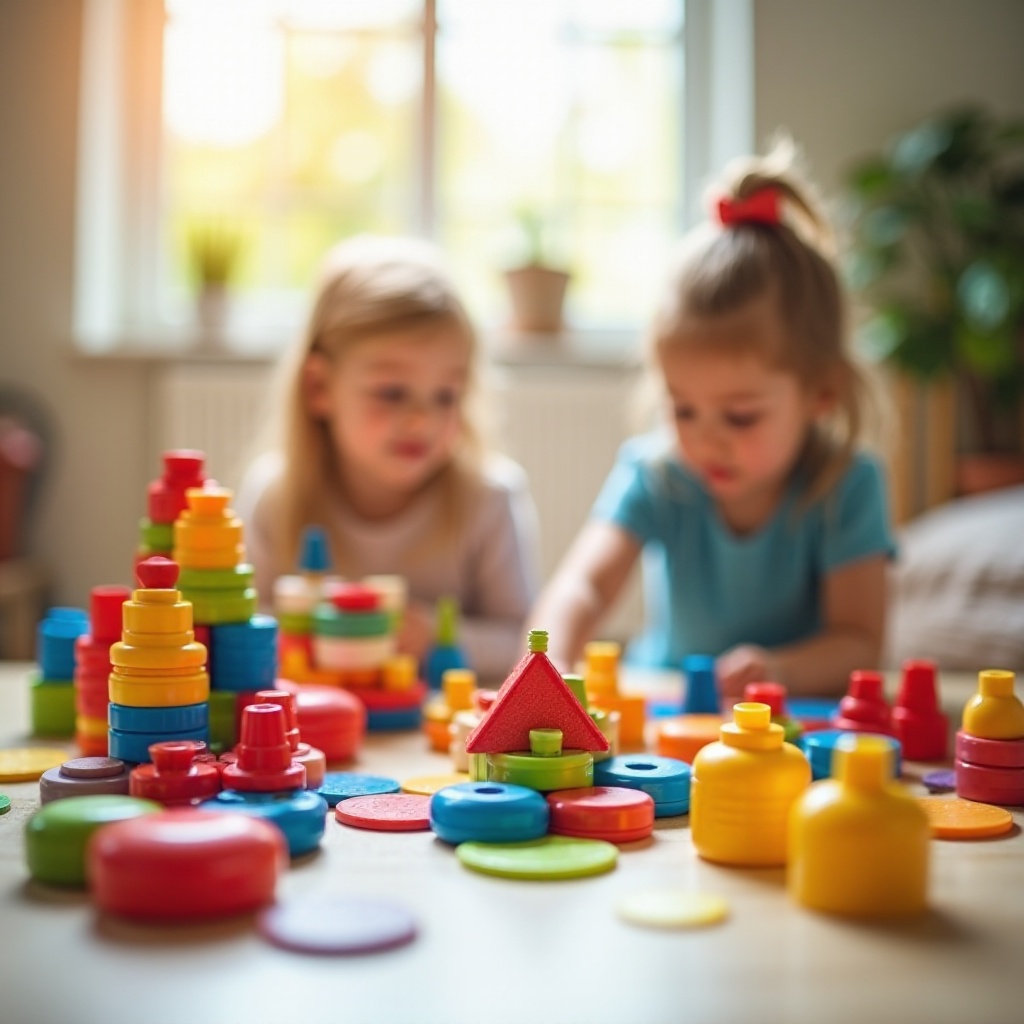
The world of educational toys is diverse, offering various options tailored to children’s preferences and developmental stages. Understanding these categories aids in making educated choices:
Traditional Educational Toys
These include timeless classics like building blocks, puzzles, and board games, which help develop basic skills such as hand-eye coordination and problem-solving. Their simplicity and proven effectiveness keep them endearing across generations.
Modern and Innovative Toys
This category features toys inspired by philosophies like Montessori and Waldorf, including eco-friendly building kits, art sets, and role-playing costumes. Designed to encourage creativity and open-ended play, they help children learn through real-world scenarios.
Technology-Enhanced Learning Toys
With the rise of technology, toys are becoming more interactive and digitally integrated. These include educational tablets, coding robots, and augmented reality kits, meant to introduce children to technology while developing skills like coding and critical thinking.
Understanding these different types of educational toys sets the stage for comprehending their benefits in a child’s development process.
Benefits of Educational Toys
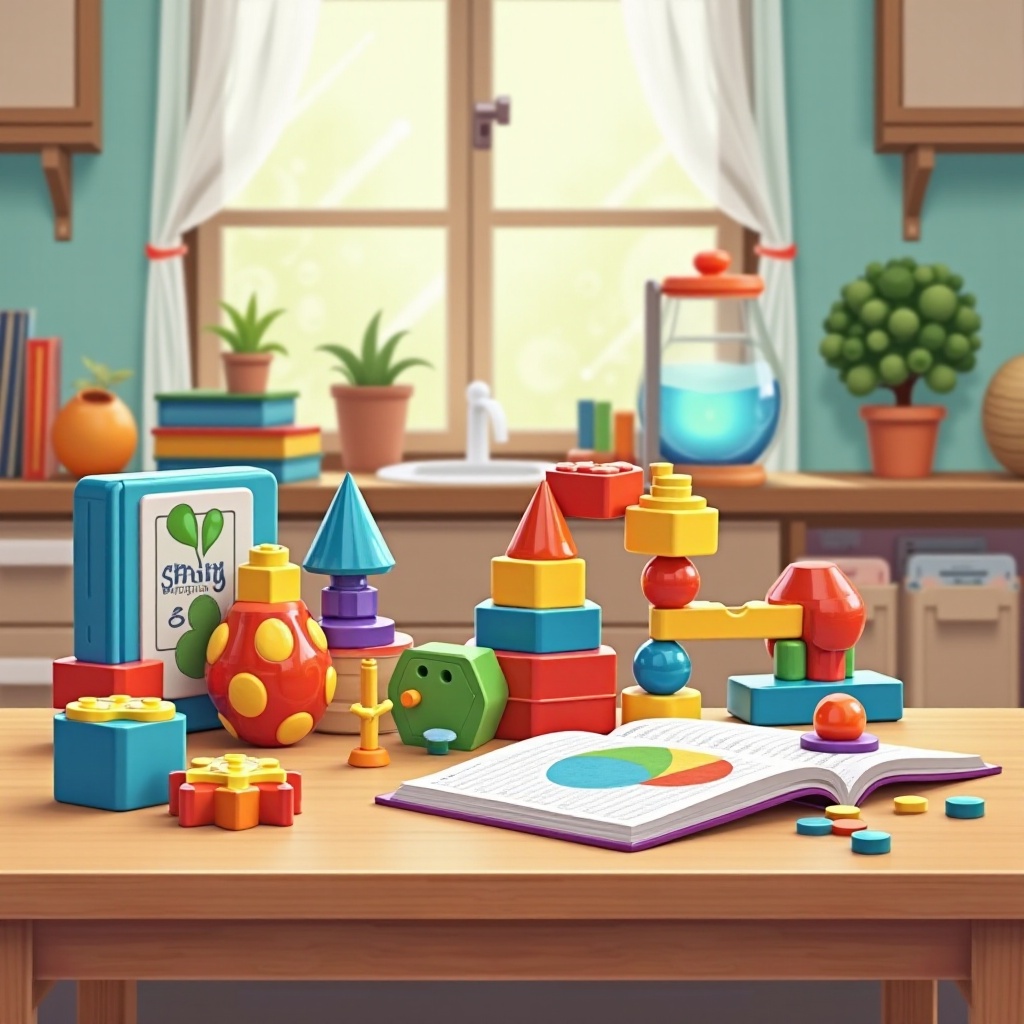
Educational toys offer a myriad of benefits, transforming playtime into an enriching educational experience:
Cognitive Development
Toys like puzzles and science kits enhance cognitive abilities by promoting critical thinking, improving memory retention, and developing concentration skills. These challenges encourage strategic thinking and problem-solving.
Emotional and Social Skills
Group play toys, such as board games, foster social skills like cooperation and empathy. Children learn to share, take turns, and work collaboratively, strengthening emotional intelligence through interactive play.
Physical Coordination
Toys that encourage physical activity, such as building sets and sports equipment, aid in developing motor skills and coordination. These activities require precision and fine motor skills, which contribute to physical development.
With an understanding of the benefits, selecting the right educational toy becomes an endeavor to align the child’s developmental stage and interests.
Choosing the Right Educational Toys
Selecting the correct educational toys involves thoughtful consideration to ensure they align with a child’s growth and learning preferences:
Age Appropriateness
It’s essential to choose toys that match the child’s developmental stage, providing the right level of challenge and engagement. Age recommendations on toy packaging can be an excellent guide.
Individual Interests
Each child has unique interests that should guide toy selection. Whether a child loves music, art, or science, choosing toys that align with these interests increases engagement and learning.
Safety Considerations
Ensuring safety is paramount. Opt for toys made from safe, non-toxic materials without small parts for young children. Selecting from reputable brands can guarantee adherence to safety standards.
By considering these factors, parents and educators can choose toys that enhance learning and make playtime a rewarding experience for children.
Conclusion
Educational toys are invaluable tools in fostering a child’s development through engaging and educative play. They support a blend of learning and play, critical for developing essential skills for life. As these toys continually evolve, they prove indispensable in child development. Parents and educators are encouraged to explore and choose educational toys that cater to their child’s interests and developmental needs, enriching their play experiences.
Frequently Asked Questions
Are educational toys necessary for child development?
Educational toys significantly enhance learning and skill development, complementing traditional education methods.
How do I know if a toy is educational?
Educational toys promote learning through cognitive, social, or physical skill enhancement. Check labels and reviews for guidance.
Can technology-based toys be considered educational?
Yes, technology-based toys can be educational when they teach skills like coding or problem-solving in a fun, interactive way.