
How Can You Get Cable Channels Without Cable: An In-Depth Guide
Introduction
Finding ways to access cable channels without traditional cable is a priority for many households. As consumers seek to reduce costs and increase flexibility in their viewing habits, technologies and services have stepped up to offer solutions. This guide explores several effective methods to enjoy cable programming while bypassing hefty monthly bills from cable providers.
Streaming Platforms for Cable Channels
Streaming platforms have become dominant players in delivering cable channels to viewers without the need for traditional cable packages. They provide versatile options tailored to different preferences.
-
Popular Streaming Services: To access cable channels, many opt for platforms such as Sling TV, YouTube TV, and Hulu + Live TV. These services offer comprehensive channel lineups, including must-haves like ESPN, AMC, and CNN.
-
Subscription Costs and Options: Most platforms offer tiered packages to cater to various budgets. For example, Sling TV provides different channel packages, while Hulu + Live TV bundles offerings like Disney+ and ESPN+ to enhance value.
-
How to Choose the Right Service: Prioritize your favorite content genres—sports, news, or entertainment—when selecting a streaming service. Compatibility with devices, user interface quality, and pricing are key factors to consider.
While streaming platforms supply vast content, combining them with OTA antenna options ensures full channel access, especially for local programming.
Using Digital Antennas for Local Channels
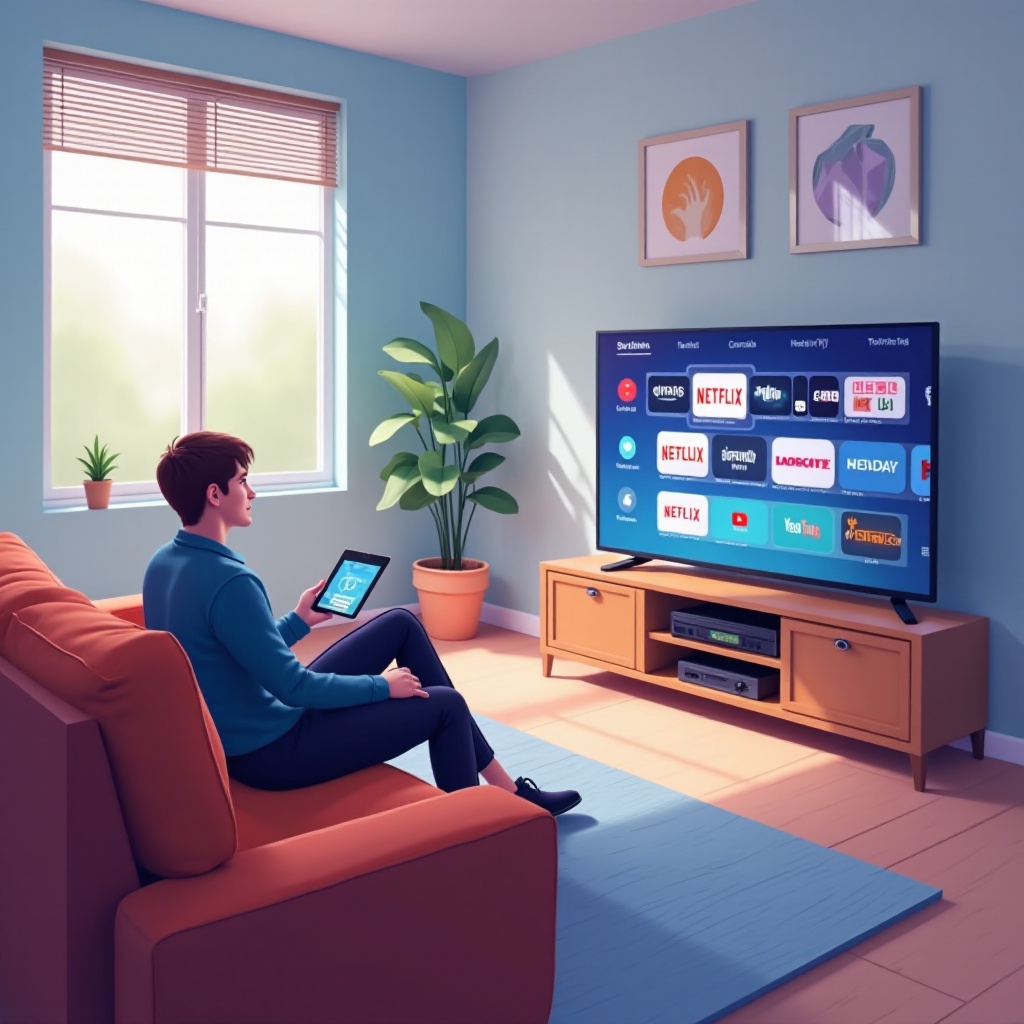
Digital antennas present a practical solution for accessing local channels, complementing the streaming services.
-
Understanding Digital Antennas: These devices help capture signals from local broadcasting stations, delivering free access to channels like ABC, NBC, and CBS. They’re vital for obtaining regional content without monthly fees.
-
Installation and Setup: Positioning your digital antenna can impact signal strength. Place near a window, connect to your TV, and perform a channel scan. Adjusting the location may optimize performance.
-
Benefits and Limitations: While offering local channels free of charge, antennas may have limited coverage based on your geographical location. Nonetheless, they are indispensable for anyone relying on free over-the-air broadcasts.
Combining streaming services with digital antennas provides a robust viewing solution, but integrating technology even further enhances this setup.
Live TV Streaming Services
Live TV streaming services bridge the gap between cord-cutting and traditional TV by offering the convenience and flexibility of streaming.
-
Overview of Live TV Services: Platforms like Hulu + Live TV and YouTube TV provide live broadcasts similar to traditional cable, including sports and news networks. Features like DVR capabilities allow users to record live shows for later viewing.
-
Comparing Features and Costs: While Hulu + Live TV integrates offerings like Disney+, YouTube TV offers unlimited cloud DVR storage. Their price points reflect these features, giving users options based on viewing styles.
-
Bundle Deals and Offers: Enticing promotions frequently accompany these services, especially for new subscribers. Look out for deals that bundle multiple streaming options or include device offers to maximize value.
Live TV streaming enhances access to content across various genres and formats. To fully benefit from these platforms, ensuring appropriate technology and internet connectivity is crucial.
Necessary Devices and Technology
The right technology ensures a seamless experience when accessing cable channels without traditional cable.
-
Smart TVs and Streaming Devices: Smart TVs have built-in apps for streaming services, while devices like Roku, Fire Stick, or Chromecast convert regular TVs into smart TVs. Choose based on compatibility and personal preference.
-
Internet Requirements: A reliable, high-speed internet connection is crucial for uninterrupted streaming, especially in HD. Aim for speeds of at least 25 Mbps to enjoy smooth viewing.
By equipping your home with the right devices and ensuring strong internet service, you pave the way for an optimal cord-cutting experience.

Conclusion
Accessing cable channels without traditional cable is increasingly doable with a variety of modern solutions. By integrating streaming services, digital antennas, and the necessary technology, you enjoy diverse television content tailored to personal preferences, all while cutting down costs associated with cable bills. Embrace these options to enhance how you view television in 2024.
Frequently Asked Questions
Can I watch cable channels without cable using a smart TV?
Yes, smart TVs with integrated apps or connected streaming devices allow viewing of cable channels without traditional cable.
What is the best streaming service for live sports channels?
Hulu + Live TV and YouTube TV offer comprehensive sports lineups, making them ideal choices for sports enthusiasts.
How fast does my internet need to be for smooth streaming?
A minimum internet speed of 25 Mbps is recommended for smooth HD streaming experiences on various devices.