How to Salvage Water-Damaged AirPod Pros
Introduction
AirPods Pro are known for their quality audio experience, but they aren’t invincible against water exposure. Accidental spills or unexpected rain can compromise the functionality of these devices. It’s crucial to act promptly when your AirPod Pros come into contact with water. This guide will provide you with practical steps to manage water exposure and offer tips to safeguard your earbuds from future mishaps, ensuring they remain in peak condition.
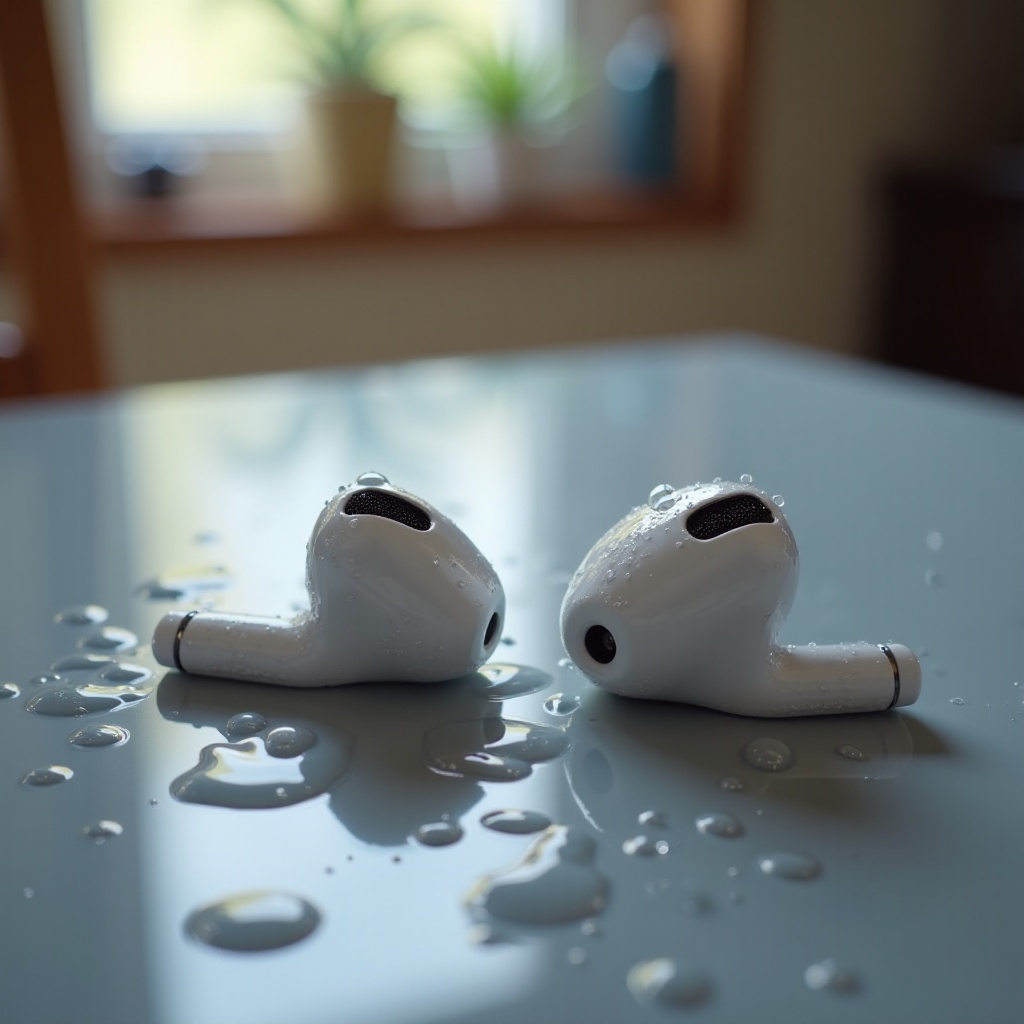
Assessing the Situation: Evaluating the Extent of Water Exposure
Understanding the severity of water exposure is your first step toward effective recovery. Some signs of water damage include garbled audio or connectivity issues.
- Signs Your AirPods Might Be Water Damaged: Listen for distorted sound quality or unexpected disconnections. Check for any signs of moisture inside the charging case.
- Safety Precautions Before You Begin: Ensure your AirPods are powered off and not charging. Handling the situation safely is crucial to prevent further damage.
By assessing the extent of exposure accurately, you’ll be better prepared to implement the right drying techniques.
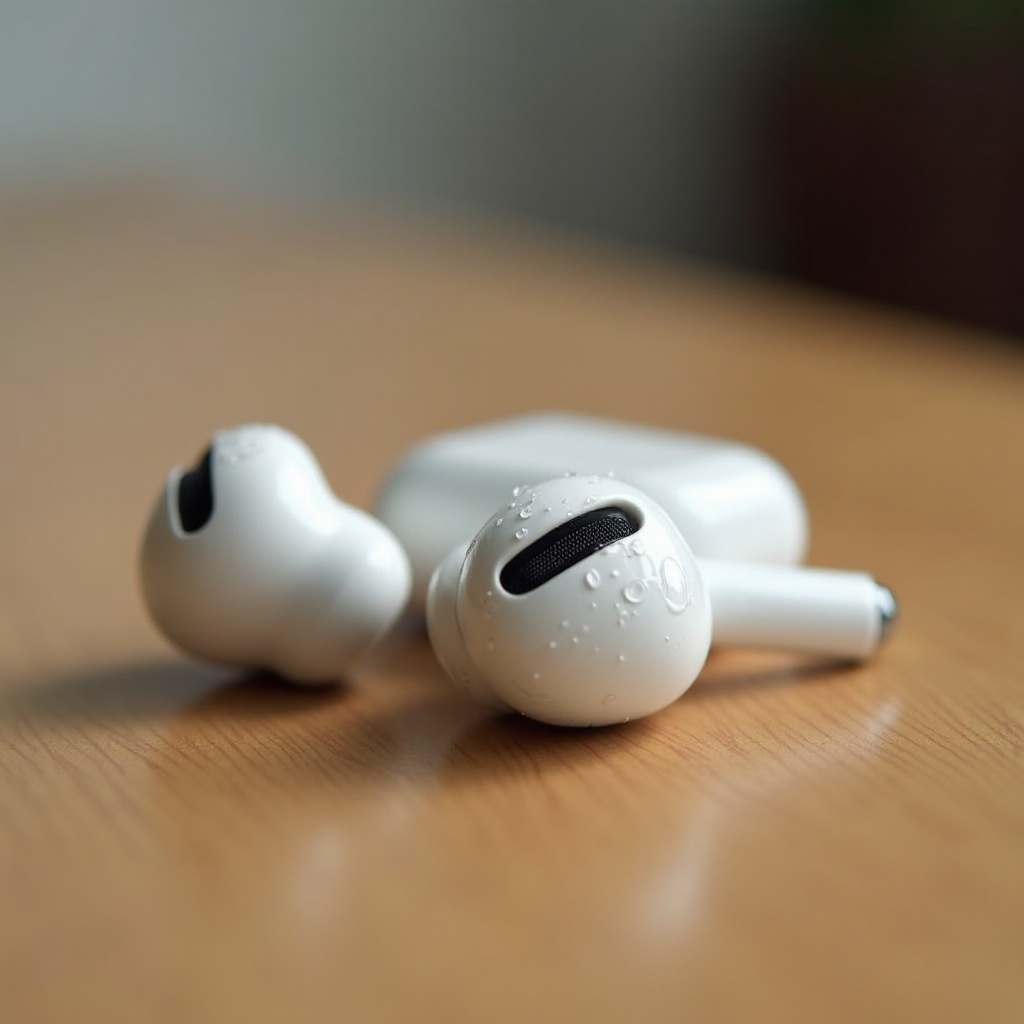
Immediate Steps to Take
Once you’ve gauged the situation, acting swiftly is essential to minimize damage. Start with these actions:
- Power Off and Disconnect: Immediately turn off and disconnect your AirPods from any device.
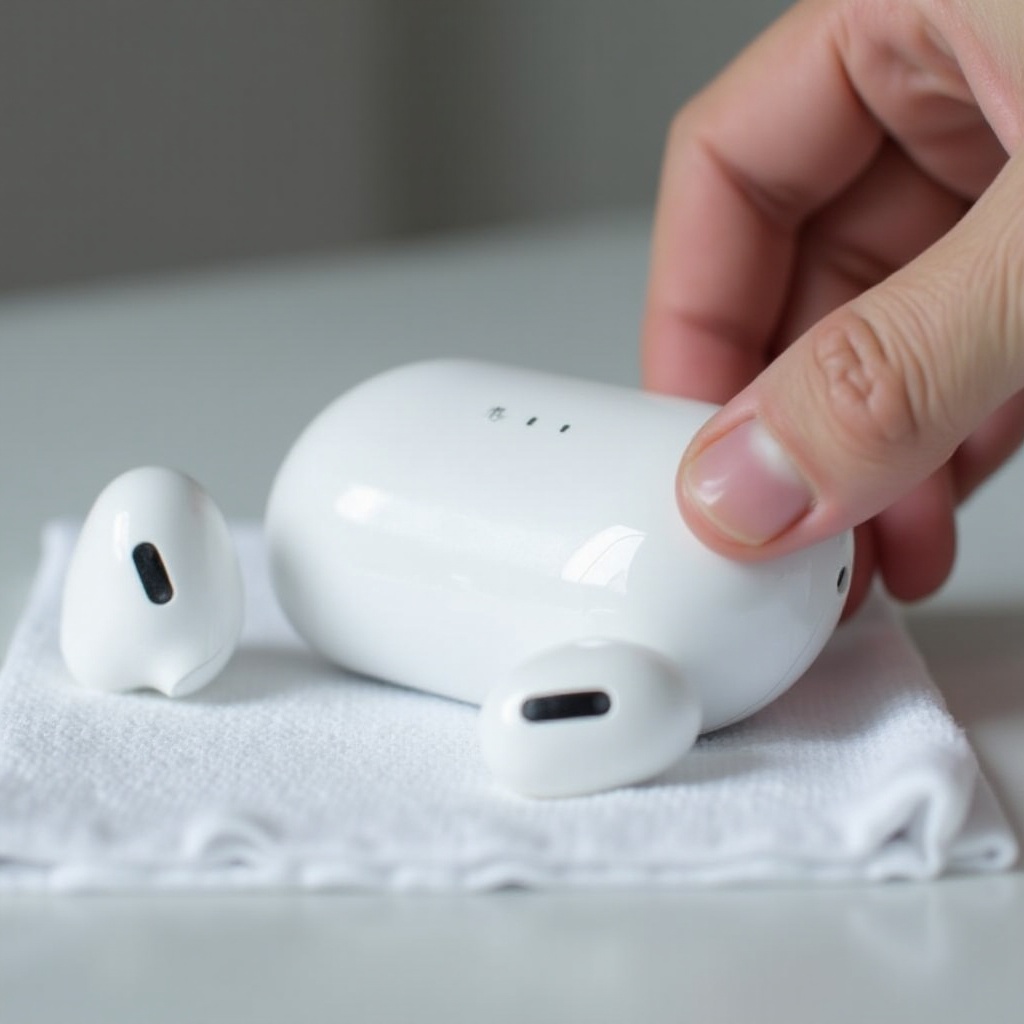
- Wiping and Shaking Out Excess Water: Gently wipe the exterior with a dry, soft cloth. Carefully shake each earbud to remove excess water without applying too much force.
These initial steps are crucial for preparing your AirPods for the drying process.
Effective Drying Techniques
Moving on to the drying process, you’ll want to employ methods that are both effective and safe for your device:
- Air Drying: The Preferred Method: Allow your AirPods to air dry in a cool, ventilated space. Resist the urge to place them in direct sunlight or near artificial heat sources.
- The Rice Method: Pros and Cons: While placing your AirPods in rice is a popular method, it may introduce dust particles into the earbuds.
- Using Silica Gel Packs: For better results, use silica gel packs, which are more effective than rice and less likely to leave residual dust. Seal your AirPods together with the silica gel in a container for a comprehensive drying process.
- Avoiding Heat Tools: Refrain from using hair dryers or heaters, as they can cause internal damage to the components of your AirPods.
Employing these drying techniques ensures your AirPods have the best chance of recovery post-water exposure.
Checking for Functionality After Drying
Once you’ve given your AirPods ample time to dry, it’s time to check their functionality.
- Testing Audio and Connectivity: Reconnect your AirPods to your device and test the audio output. Ensure that the sound quality is clear and that the connectivity is stable.
- Monitoring Performance: Over the next few days, keep an eye on how your AirPods are performing. If issues persist, it might be a sign that additional steps are needed.
Checking functionality lets you confirm that your AirPods are back to their best performance.
Common Mistakes to Avoid
To protect your AirPods and avoid exacerbating the issue, steer clear of common mistakes:
- Myths about Heat Usage: There is a misconception that applying heat can speed up the drying process, but it often leads to further damage.
- Ignoring Minor Issues: Small glitches may appear insignificant initially but keeping them unaddressed could lead to major failures over time.
Avoiding these errors is essential to the successful recovery of your AirPods.
When to Seek Professional Help
If your DIY attempts aren’t successful or problems persist, professional assistance might be needed:
- Recognizing Persistent Problems: If you notice persistent audio distortion or unresponsive controls, professional evaluation is advisable.
- Understanding Warranty and Support: Check if your AirPods are under warranty. Apple’s service can guide you on repair or replacement options available.
Involving professionals can address underlying issues that DIY methods may not solve.
Tips for Preventing Future Water Damage
Prevention is always better than repair. Here are some tips to shield your AirPods from future water exposure:
- Using Protective Cases: Invest in water-resistant cases specifically designed for AirPods Pro.
- Being Mindful of Environments: Avoid using your AirPods in excessively humid or wet environments.
Implementing these suggestions can significantly reduce the chance of future water-related problems.
Conclusion
Acting quickly and correctly when your AirPods are exposed to water is vital for their recovery. By following the steps outlined above and taking preventive measures, you can preserve the life and quality of your AirPods Pro.
Frequently Asked Questions
What should I do immediately after my AirPod Pros get wet?
Quickly power them off, disconnect, and dry with a cloth. Then, allow them to air dry.
Is using rice effective for drying out AirPod Pros?
Rice can absorb moisture but might introduce dust. Silica gel packs are a cleaner alternative.
Can I charge my AirPod Pros after they’ve been exposed to water?
Ensure they are completely dry before attempting to charge to avoid damage.