The Best Microphones for Vocal Recording in 2024
Introduction
Choosing the right microphone can transform your vocal recordings from amateur to professional. For those looking to enhance their sound, understanding the variety of microphones available and their specific applications is crucial. This guide provides insights into the best microphones for vocal recording, helping you make an informed decision that fits your needs and budget.
Understanding Vocal Recording Basics
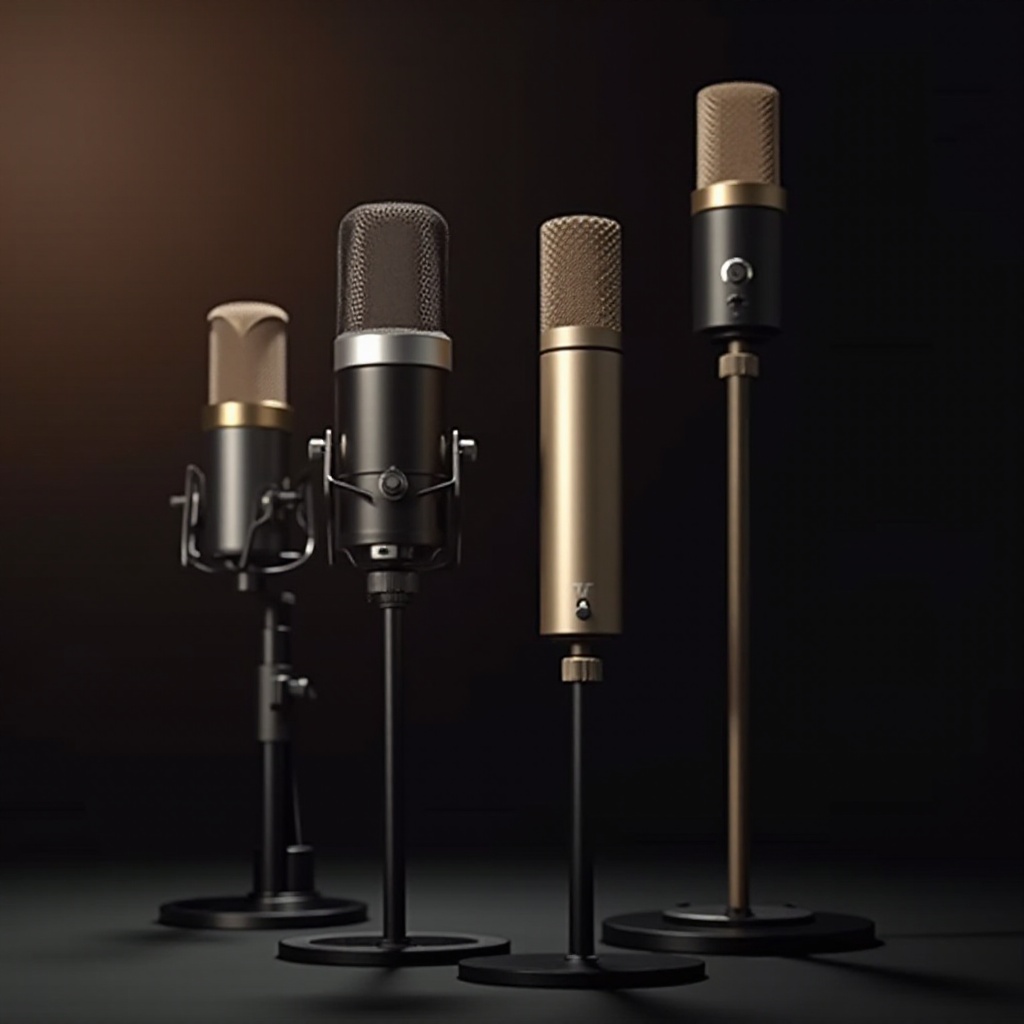
Recording vocals involves capturing a sound’s essence with precision. Microphones, as essential tools in this process, possess unique characteristics that influence recording quality. Understanding the basics, such as sensitivity, frequency response, and polar patterns, is vital for creating clear, nuanced vocal performances.
As we explore the fundamentals, let’s delve into different microphones ideally suited for vocal recording.
Types of Microphones for Vocal Recording
Different microphones offer distinct qualities tailored to specific recording needs. Familiarizing yourself with these types is critical for optimizing vocal quality.
- Dynamic Microphones: These robust, durable microphones are perfect for live performances, handling high sound pressure levels and minimizing background noise.
- Condenser Microphones: Known for their sensitivity, condenser microphones capture detailed, crisp vocal recordings, making them studio favorites.
- Ribbon Microphones: Praised for their warm, natural sound, ribbon microphones excel in controlled studio environments, ideal for vintage-inspired vocal captures.
With microphone types covered, let’s examine the top choices in 2024 for vocal recording.
Top Microphones for Vocal Recording in 2024
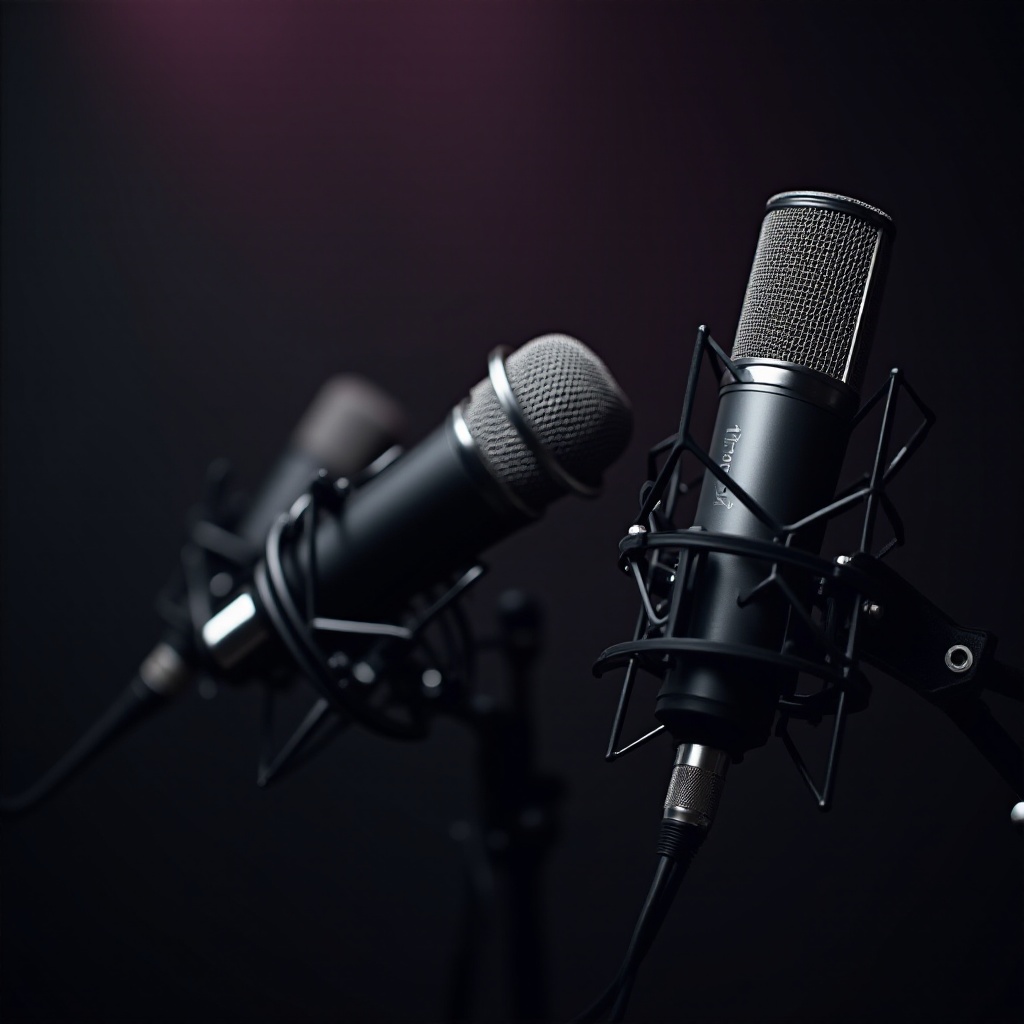
Here are some standout microphones lauded for their performance and loved by vocalists and producers.
- Shure SM7B: A versatile industry favorite, the SM7B is exceptional for podcasting and broadcasting, offering dynamic capabilities.
- Audio-Technica AT2020: A budget-friendly option for beginners, the AT2020 is a condenser microphone that ensures wide-range vocal capture.
- Neumann U87: Revered for its clarity and richness, the U87 features a multi-pattern design, perfect for versatile studio use.
- Rode NT1: Known for its low noise and reliability, the NT1 provides superb sound quality, accessible to both novices and experts.
Understanding microphone selection involves more than choosing from a list; let’s discuss how to tailor your choice to personal needs.
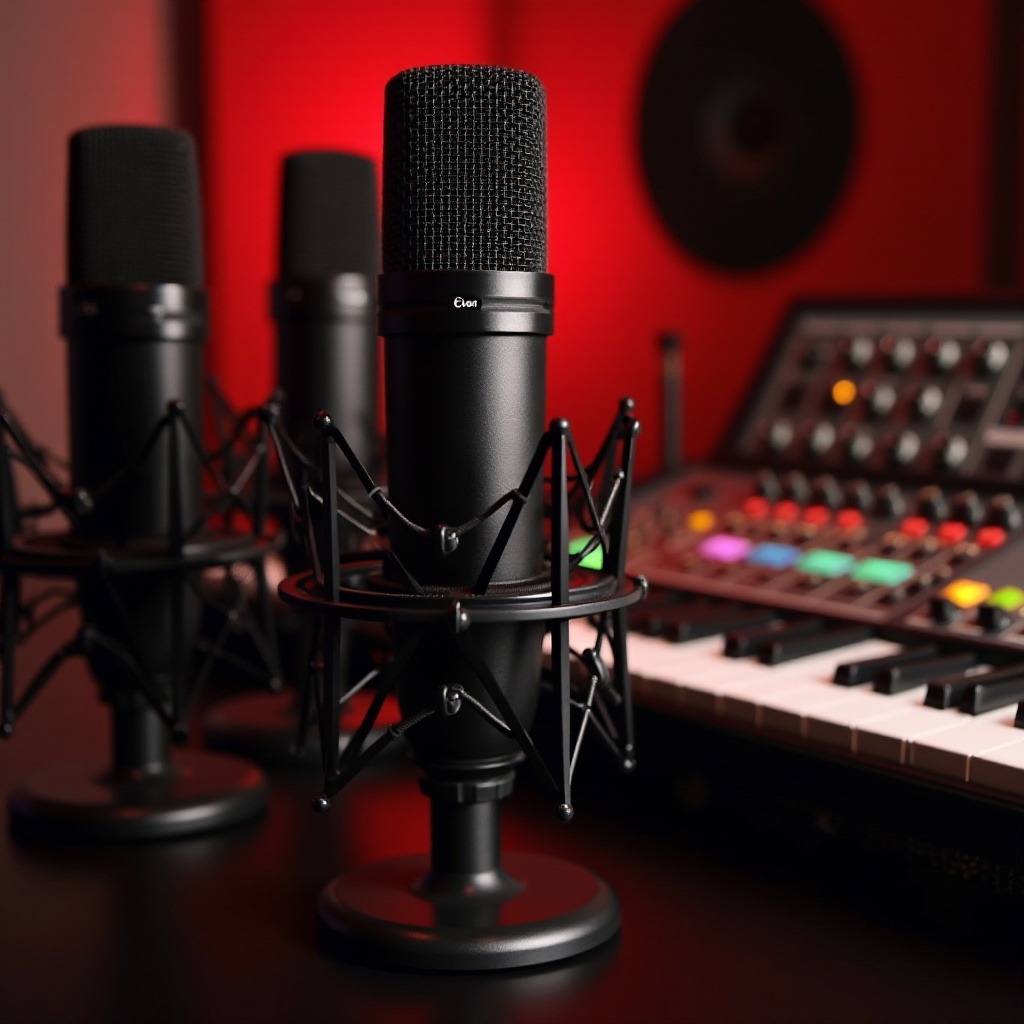
How to Choose the Right Microphone for Your Needs
Selecting the best microphone means navigating numerous factors:
- Budget Considerations: Define your investment level. High-end mics deliver premium quality but aren’t always necessary for starters.
- Room Environment: Acoustics influence quality; choose mics aligning with your space, whether a treated studio or home.
- Vocal Characteristics: Match your vocal style and range with a microphone that enhances your natural sound.
Once you’ve chosen a microphone, optimizing your setup is crucial for professional recordings.
Tips for Optimizing Vocal Recordings
Achieving professional-grade recordings is possible with the right approach:
- Microphone Placement: Proper positioning ensures clarity; experiment with distance and angle for best results.
- Accessories for Better Sound: Pop filters reduce plosive sounds; shock mounts mitigate vibrations impacting recordings.
- Managing Room Acoustics: Reduce echo and reverb with soundproofing materials or acoustically treating recording spaces.
Applying these strategies will elevate your recordings. Let’s summarize what we’ve discussed.
Conclusion
Investing in a quality microphone is transformative for vocal recordings. Understanding microphone types, making informed choices, and optimizing your setup are key steps to achieving exceptional vocal performance.
Frequently Asked Questions
What is the best budget microphone for vocal recording?
The Audio-Technica AT2020 is recommended for quality vocals at a reasonable price.
How do I reduce background noise in my recordings?
Use dynamic microphones or soundproof your recording environment to minimize unwanted noise.
Are condenser microphones better for singing?
Condenser microphones are preferred for singing due to their sensitivity and ability to capture a wide range of frequencies.