The Ultimate Guide to Pro Singing Microphones
Finding the perfect microphone can transform a singer’s performance from good to exceptional. A pro singing microphone captures the nuances of vocals, ensuring clarity and precision in sound. This guide dives into different types of professional microphones, outlines key features to look for, and reviews top models for 2024. Whether performing live or recording, picking the right microphone is essential for any serious vocalist.
Introduction
Pro singing microphones are indispensable tools for vocalists who aim to deliver high-quality performances. These microphones have unique specifications and features that significantly improve vocal clarity and presence. Understanding what makes these microphones special helps musicians select the ideal equipment for their specific needs.
Understanding Microphone Types
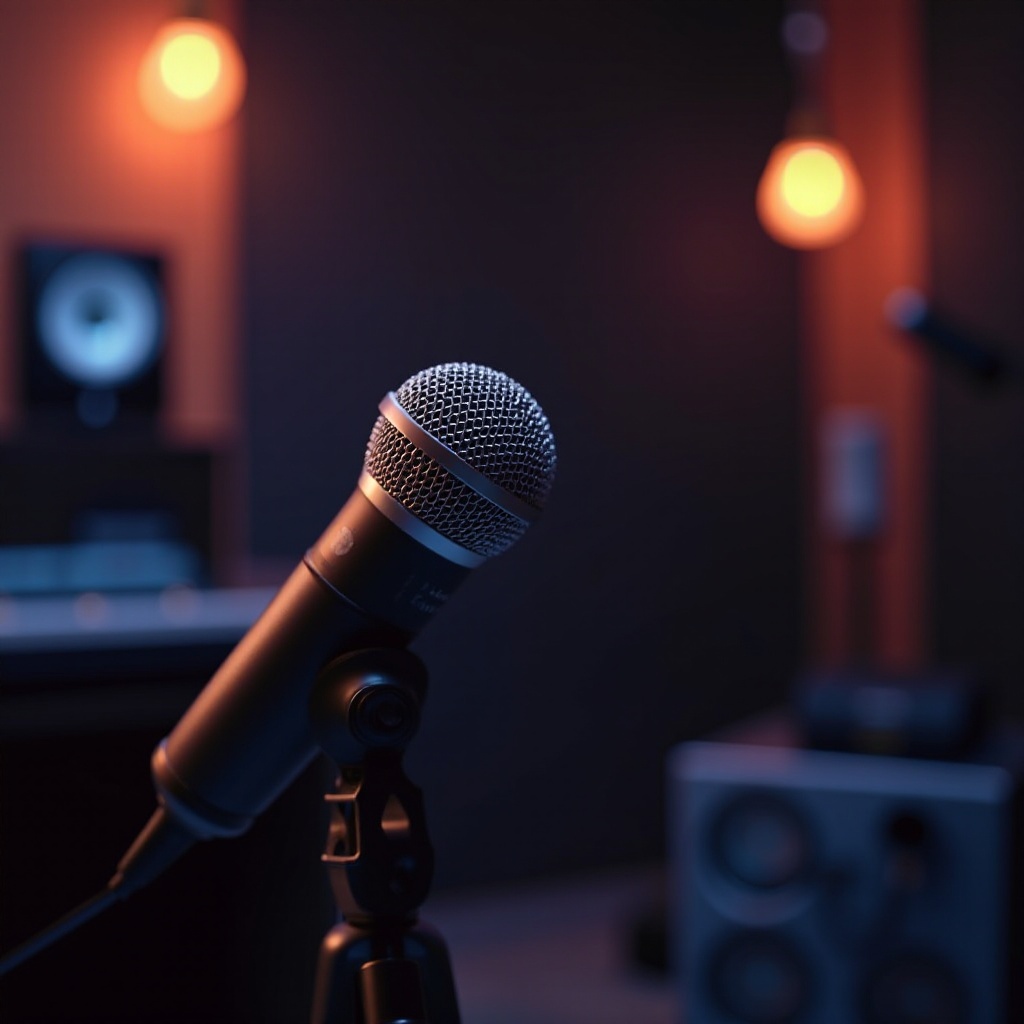
Microphones come in various types, each suited to different vocal styles and settings. Learning about these types is crucial in selecting the right pro singing microphone.
Dynamic Microphones
Dynamic microphones are renowned for their durability and ability to handle high sound pressure levels. They are ideal for live performances where background noise is prevalent. The robust construction of dynamic microphones makes them a favorite for on-stage use.
Condenser Microphones
Condenser microphones are celebrated for their sensitivity and ability to capture subtle vocal nuances. These microphones are commonly used in studio settings, offering a broader frequency response and a more detailed sound. They require external power sources, such as phantom power, which is an important factor to consider when setting up a recording session.
Ribbon Microphones
Ribbon microphones deliver a warm, vintage sound, often sought after in studio recordings. They are more delicate compared to dynamic and condenser microphones, requiring careful handling. Ribbon mics excel in capturing rich, natural tones, making them a distinctive choice for certain vocal styles.
Understanding these different types provides a solid foundation for moving on to the features that define a pro singing microphone’s performance.
Key Features of Pro Singing Microphones
Selecting a pro singing microphone involves evaluating numerous features that impact sound quality and performance.
Frequency Response
Frequency response is a measure of how well a microphone captures different sound frequencies. A flat frequency response is desirable for accurate sound reproduction, capturing both low and high frequencies with clarity.
Sensitivity
Sensitivity indicates how effectively a microphone converts sound into an audio signal. High-sensitivity microphones can pick up subtle vocal details, making them suitable for softer singing styles.
Polar Patterns
Polar patterns define the directionality of a microphone’s sound pickup. Cardioid patterns are popular for vocals as they focus on sounds coming from the front while minimizing ambient noise. Other patterns, such as omnidirectional and bidirectional, offer different advantages depending on recording needs.
Knowing these key features empowers vocalists to make informed choices, ensuring their microphone supports their artistic range and environments.
Top 5 Pro Singing Microphones in 2024
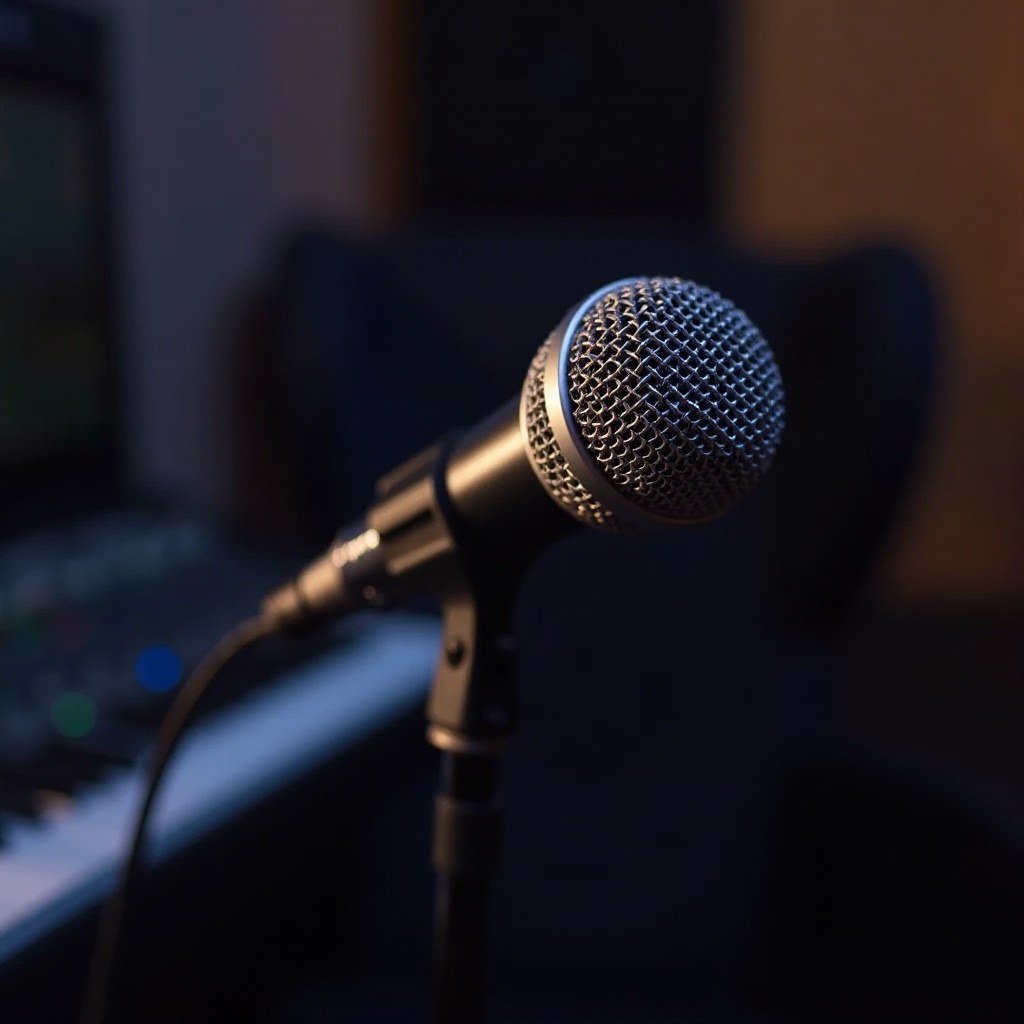
Choosing among the best pro singing microphones involves considering specific features and performance metrics. Here are five top picks:
-
Microphone 1: Known for its exceptional clarity and precision, this microphone offers a durable build and advanced sound isolation capabilities.
-
Microphone 2: Excelling in studio settings with its detailed frequency response and superior sensitivity for capturing intricate vocal details.
-
Microphone 3: A versatile choice for both live and studio use, balancing durability and sound quality, delivering impressive performance across settings.
-
Microphone 4: Offering a vintage tone, this ribbon microphone is perfect for those seeking a warm and natural vocal sound in studio environments.
-
Microphone 5: This dynamic microphone shines in live performances, with excellent feedback rejection and the capacity to handle high sound pressure levels.
These top choices cater to a range of preferences, ensuring there is an option suitable for any vocalist seeking superior sound.
Tips for Testing and Choosing the Right Microphone
Testing a microphone before purchase ensures it meets individual preferences and performance requirements. Here are essential tips:
In-Store Testing Tips
- Bring headphones to accurately assess the microphone’s clarity.
- Test with varying vocal dynamics and distances to gauge versatility.
- Ensure compatibility with existing sound systems.
Importance of Live Testing
Live testing is crucial as it reveals how a microphone performs in real-world conditions. Singers should simulate typical performance scenarios to evaluate the microphone’s true capabilities.
By following these testing strategies, musicians can choose a microphone that not only fits their immediate needs but can also adapt as their vocal styles and performance contexts evolve.
Maintaining Your Pro Singing Microphone
Proper maintenance is essential to extend the life of a microphone and ensure consistent performance.
Cleaning and Storage
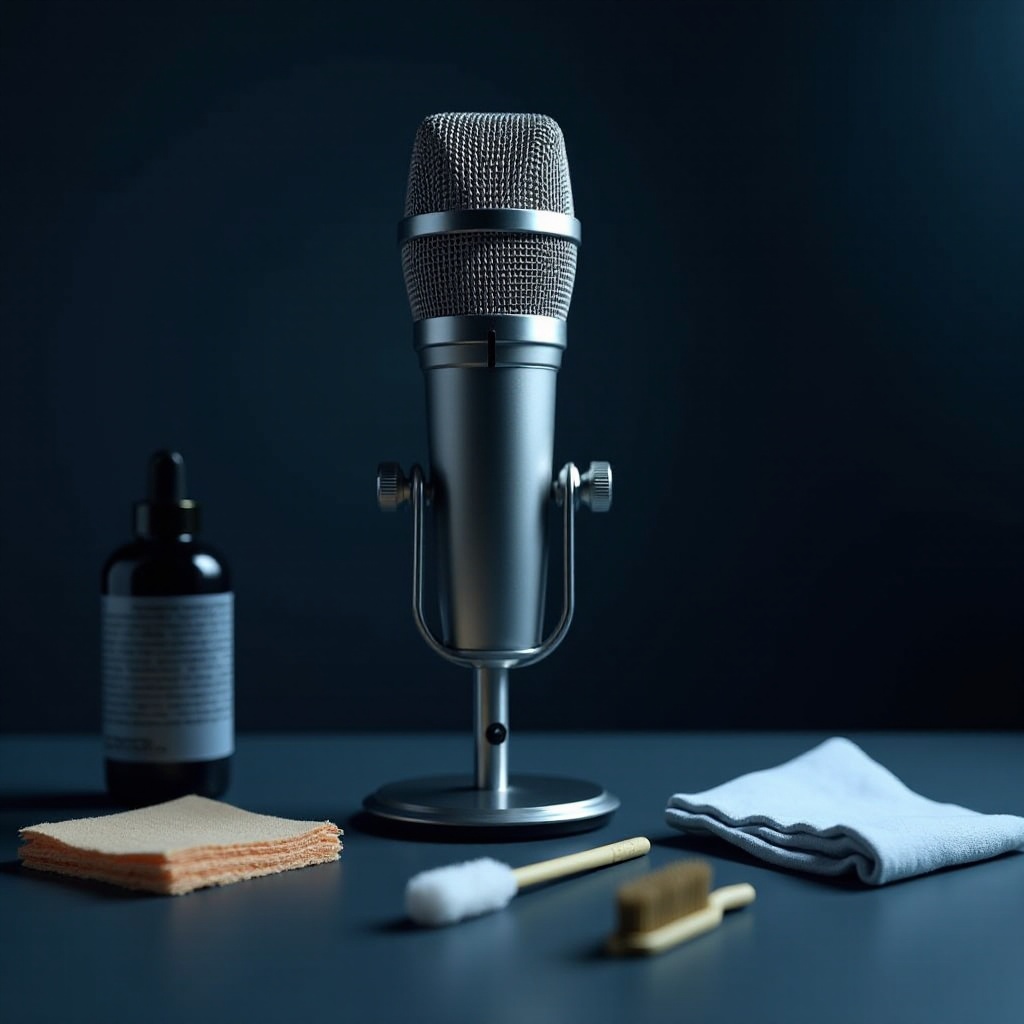
Regular cleaning prevents the buildup of moisture and dust. Storing microphones in cases when not in use shields them from environmental damage.
Common Mistakes to Avoid
Avoid using cleaning agents not intended for electronics. Handle microphones with care to prevent damaging their delicate components.
Effective maintenance practices help to maintain the integrity and sound quality of microphones over time.
Conclusion
Choosing the right pro singing microphone can significantly enhance vocal performances in both live and studio environments. By understanding the different types of microphones, key features, and maintenance practices, singers can invest wisely in equipment that supports their artistic expression and professional needs.
Frequently Asked Questions
What is the difference between dynamic and condenser microphones?
Dynamic microphones are robust and ideal for live events, while condenser microphones are sensitive and suited to studio recordings.
How often should I clean my pro singing microphone?
Clean your microphone after every use or before storage to prevent dirt and moisture accumulation.
What factors should I consider when choosing a pro singing microphone?
Consider the microphone type, frequency response, sensitivity, and polar pattern to match your vocal style and performance setting.